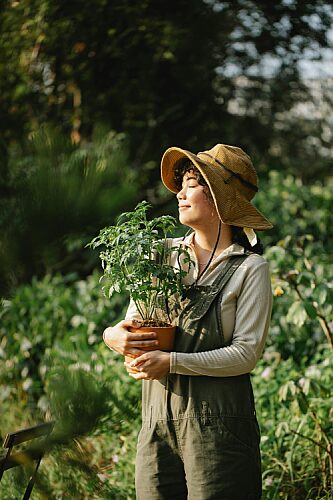
Are you preparing for the upcoming spring growing season? Have you thought about getting a head start by planting vegetable seeds indoors? This approach not only accelerates your plants’ growth but also promotes stronger development, offers the opportunity to grow unique varieties, and saves money compared to buying nursery-grown plants. Follow these key steps to successfully start your seeds indoors and ensure your plants are ready for a smooth transition to the outdoors when it’s time to transplant them. (Boeckmann, 2024).
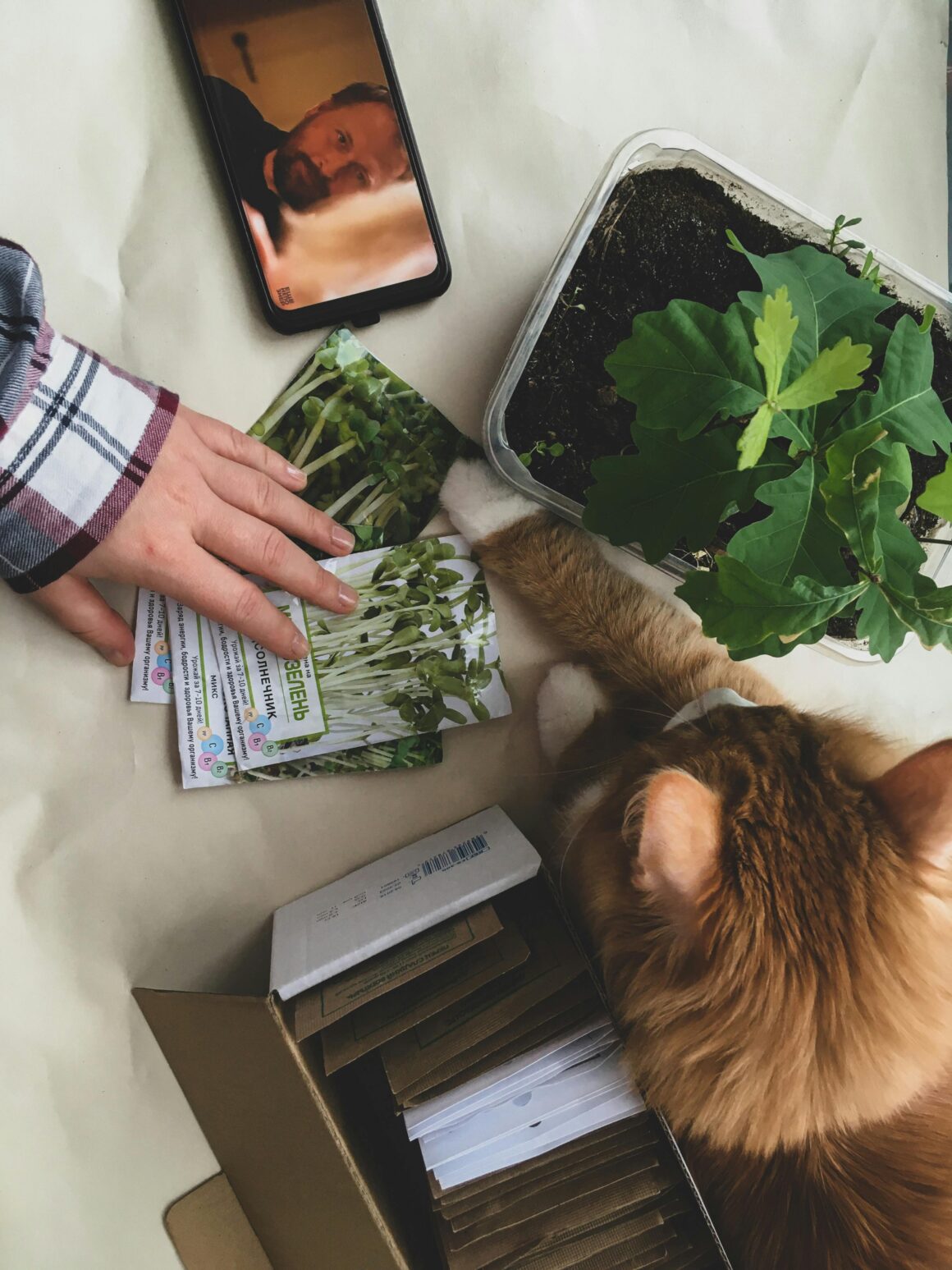
Seed Planning for gardening.
Ideal Timing for Sowing Seeds
Timing plays a crucial role when starting seeds indoors. A common guideline is to plant your seeds roughly six weeks before the last expected frost in your region. This allows enough time for the seeds to sprout and develop strong root systems before they face outdoor conditions. To determine the best sowing dates, refer to seed packets, frost date calculators, or gardening resources like The Old Farmer’s Almanac (Boeckmann, 2024). Proper planning will help give your plants the best chance for a successful start.
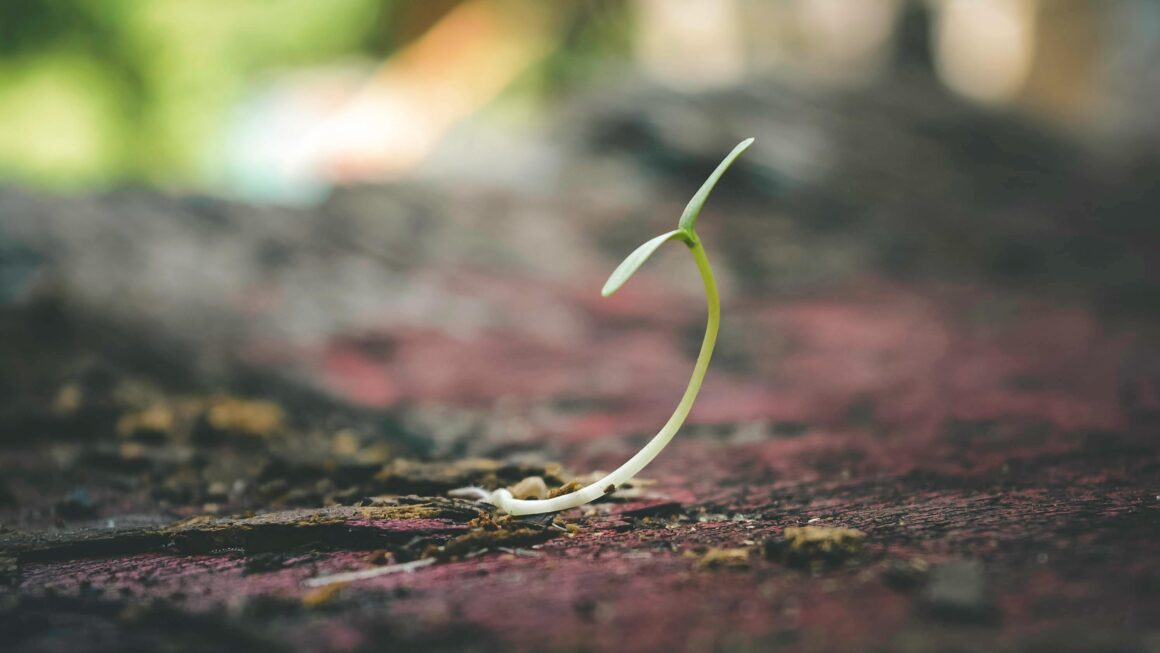
Sapling Growing Indoors
Advantages of Starting Seeds Indoors
Starting seeds indoors provides several advantages, making it an essential technique for gardeners:
Budget-Friendly:
Starting seeds indoors is a more economical choice than buying fully grown plants, making it a great option for gardeners looking to save money (Boeckmann, 2024).
Early Start to the Growing Season:
Growing seeds indoors allows you to cultivate unique varieties, such as heirloom and organic plants, that may not be available at local nurseries.
Better Success for Warm-Season Crops:
Vegetables like tomatoes, peppers, and eggplants grow better when started indoors, ensuring they thrive when transplanted into the garden.
Stronger, Healthier Plants:
Plants started indoors typically show more vigorous growth than those bought from stores.
Access to a Wider Range of Crops:
Growing seeds indoors allows you to cultivate unique varieties, such as heirloom and organic plants, that may not be available at local nurseries.
Budget-Friendly:
Starting seeds indoors is a more economical choice than buying fully grown plants, making it a great option for gardeners looking to save money (Boeckmann, 2024).
Soil Temperature and Seed Germination
Soil temperature is a key factor in the success of seed germination. Each type of crop has its own specific temperature range for optimal sprouting. For example, eggplants grow best in temperatures between 75°F and 90°F, while tomatoes prefer a range of 61°F to 86°F. A soil thermometer can be a useful tool for tracking and ensuring the right temperature for effective seed germination (Boeckmann, 2024).
Finding the Perfect Seed-Starting Mix
The foundation for healthy seedlings starts with the right growing mix. A light, airy, and nutrient-poor seed-starting blend is ideal, offering your seeds the perfect environment to sprout and grow strong. Skip garden soil, which can easily compact and harbor unwanted pests. For an eco-conscious twist, consider coconut coir as a sustainable alternative to peat-based options, giving your plants—and the planet—a better start (Boeckmann, 2024; Damman, 2023).
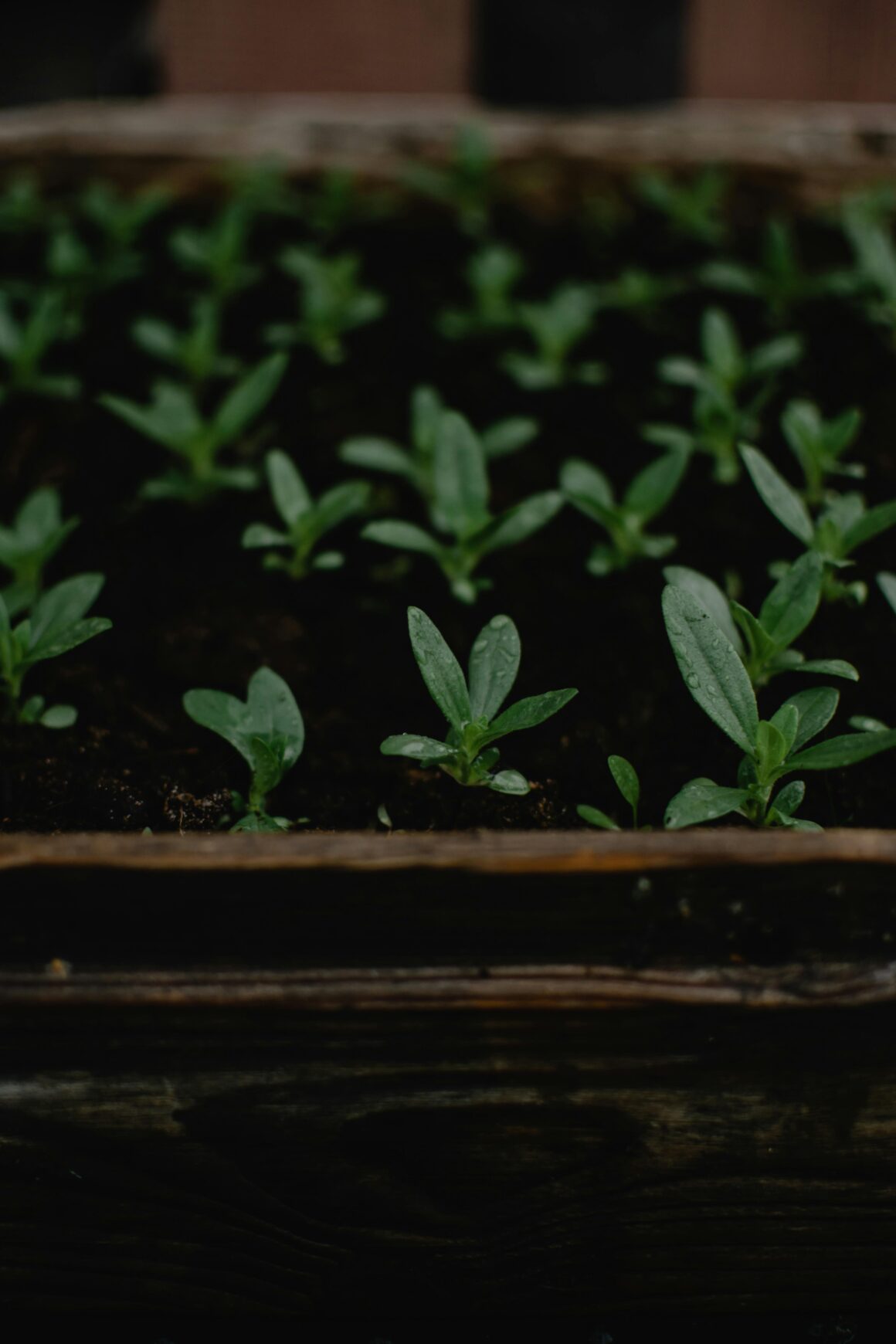
Saplings from the perfect Seed Mix.
Choosing the Best Containers
Soil mix is only part of the equation; the right container is equally important. We suggest traditional pots, plug trays, recycled containers, or biodegradable fiber trays. Plug trays are helpful for leafy greens because they minimize root disturbance during transplant. Your containers must have adequate drainage to prevent waterlogging and root rot (Boeckmann, 2024; Damman, 2023).
Sowing Seeds and Nurturing Moisture
Ready to plant? Start by lightly moistening your seed-starting mix, then fill your containers to the brim, creating a cozy home for your seeds. Check the seed packet for specific instructions on planting depth, but as a general guide, bury seeds two to three times their width. Tiny seeds need just a whisper of soil, while larger ones, like beans, should settle in about an inch deep. Once planted, gently press the soil to secure them, then mist with water to maintain the perfect balance of moisture. Don’t forget to label each container with the seed variety and sowing date, so you can track your garden’s progress and watch your little sprouts grow (Boeckmann, 2024; Damman, 2023).
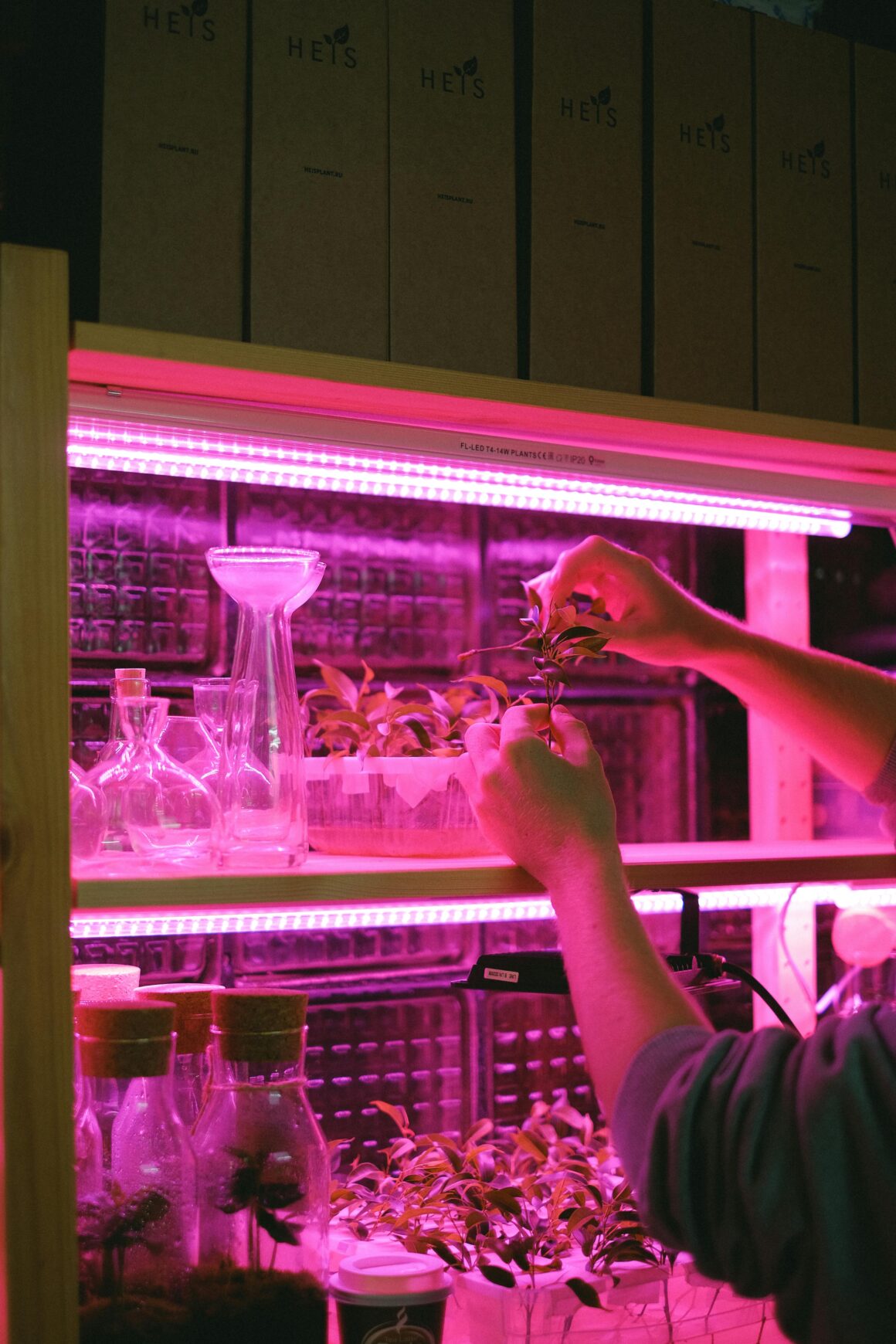
Grow Lights for seedlings
Lighting and Heat for Seedlings
Lighting plays a crucial role in seedling development. Full-spectrum grow lights are the best option, as they provide the light spectrum seedlings need for healthy growth. Suspend the lights about 2–6 inches above the seedlings and provide them with 12–16 hours of light each day. Additionally, using a heat mat can help maintain the optimal soil temperature, encouraging faster germination (Damman, 2023).
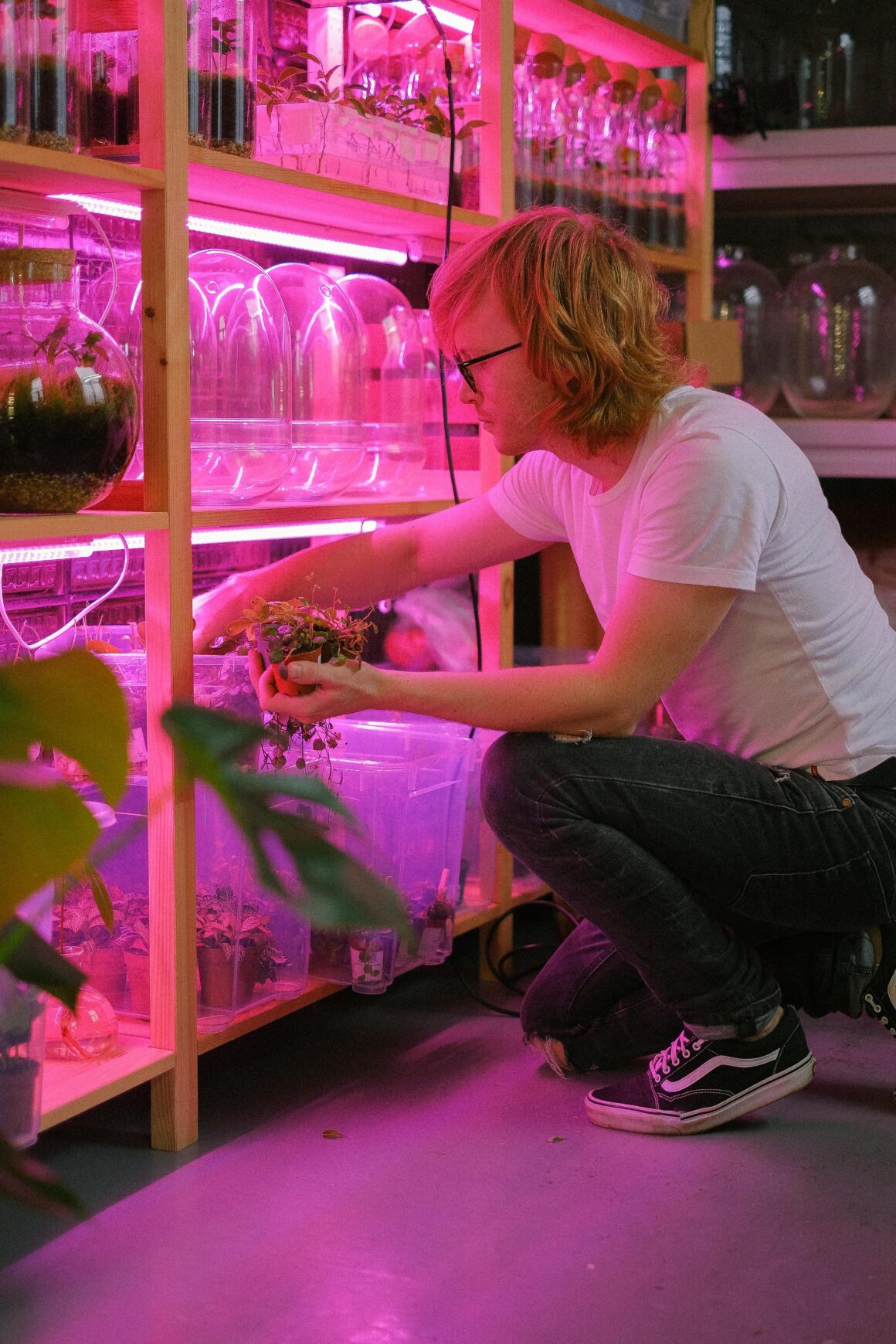
Person measuring Water levels
Watering Techniques
Watering can be tricky during the seed-starting process. Initially, mist the soil lightly to avoid displacing the seeds. Once seedlings emerge, switch to gentle watering. A great technique for preventing overwatering and root rot is bottom-watering, which allows the seedlings to absorb moisture from the bottom up (Boeckmann, 2024; Damman, 2023).
Hardening Off Seedlings for Outdoor Transition
Before transplanting your seedlings outdoors, they must undergo a hardening-off process. Gradually expose them to outdoor conditions over a 7–10 day period, starting with just an hour or two of direct sunlight each day. This helps the seedlings acclimate to the harsher outdoor environment and prevents transplant shock (Boeckmann, 2024; Damman, 2023).
Choosing Crops for Indoor vs. Outdoor Sowing
Some crops are better suited for indoor sowing, while others should be directly sown outdoors. Indoor-friendly crops include tomatoes, peppers, eggplants, celery, and broccoli, all of which benefit from the controlled environment of indoor seed starting. Conversely, root vegetables like carrots and cold-tolerant plants such as peas should be sown directly outdoors when the soil is ready (Boeckmann, 2024).
Sustainability in the Garden
For a garden that’s as kind to the Earth as it is to your plants, choose biodegradable fiber trays over plastic containers. These green alternatives not only help reduce plastic waste but also encourage a more sustainable approach to gardening. Small choices like this can ripple out, making a big difference in the health of our planet while nurturing your garden’s growth (Boeckmann, 2024).
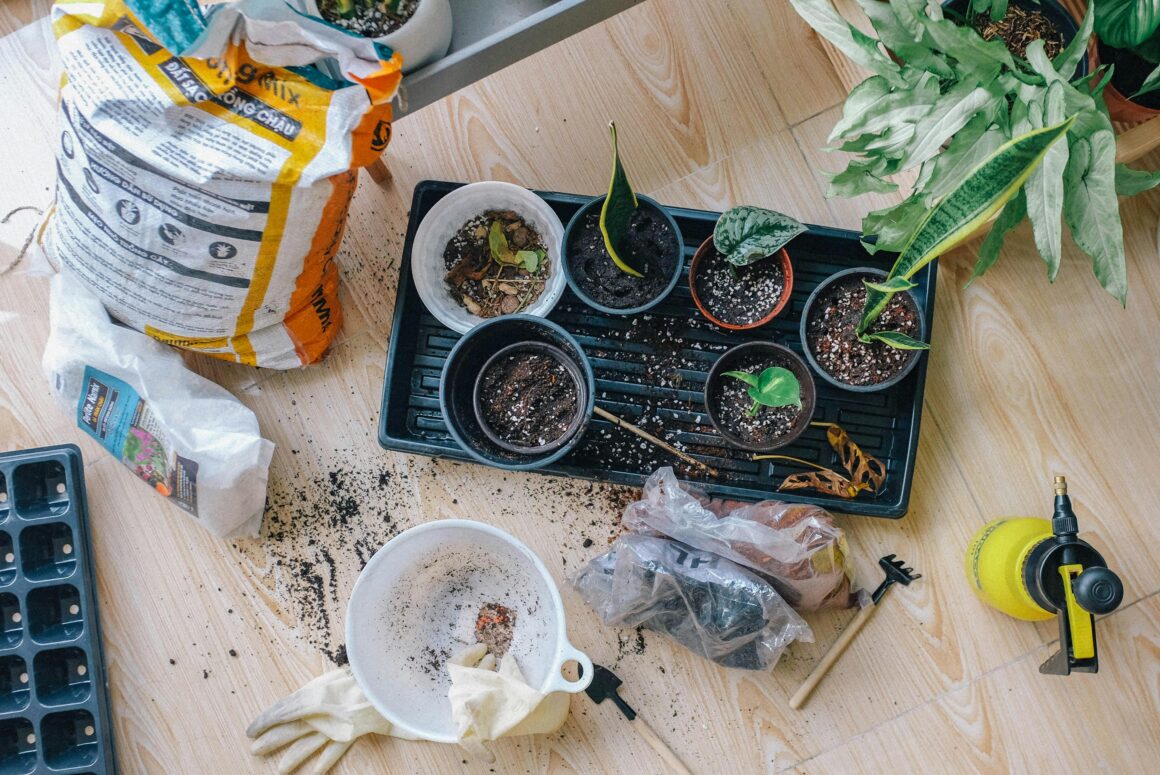
Thining seedling for replanting.
Additional Tips for Success
Seed Catalogs and Planting Calendars: Receive guidance in selecting the best seeds and sowing schedule for your region.
Thin Your Seedlings: Once your seedlings develop their first true leaves, thin them to allow the healthiest plants to thrive.
Fertilize After Two Sets of Leaves: Once your seedlings have at least two sets of leaves, start fertilizing with a half-strength organic fertilizer to promote healthy growth.
Pre-sprout Seeds: To give your seeds a head start, you can pre-sprout them in paper towels before planting them in the soil (Boeckmann, 2024; Damman, 2023).
Starting seeds indoors is a great way to jump-start your 2025 garden. Follow these Green Thumb Review tips to be sure you sow a successful garden season. This year our focus is to help our readers achieve their gardening goals with ease.
References:
Boeckmann, C. (2024, December 5). A Guide to Starting Vegetable Seeds Indoors. Retrieved from The Old Farmer’s Almanac.
Damman, A. (2023, February 10). How to Start Seeds Indoors in 4 Easy Steps.
Intelli-Grow. (2024). Seed Starting and Soil Care Tips.

Jenica “Hen” Weyand is a seasoned writer and creative professional with over 20 years of experience in brand storytelling, art, fashion, trends, and lifestyle. With a background in theater, design, and brand experience, Jenica continues to shape conversations around art, style, and modern living.
Green Thumb Review Staff


Leave a Comment
Your email address will not be published. Required fields are marked *