Every product is independently selected. Things you buy through our links may earn us a commission.
If you are looking for the best rodent trap for garage use, start with the layout, not the packaging. Rodents usually travel beside walls, stored items, and foundation edges, so placement matters as much as trap design. In most dry garages and basements, a properly positioned snap trap is the strongest starting point. Glue boards can monitor activity, while electronic traps offer an enclosed alternative.
The right setup also includes exclusion, sanitation, and frequent checking. A trap can address the rodent already inside, but it cannot close the gap around a garage door or remove the food source attracting more animals.
1. Quick Verdict
For most homeowners, choose mechanical snap traps for active rodent control, electronic traps where enclosed handling matters, and glue boards only with careful consideration of humane treatment and bycatch. Use the products only according to their labels, and keep every trap away from children, pets, and non-target wildlife.
Our lineup includes products from Victor and Catchmaster, plus Victor's electronic trap range. Bait stations and poison are not included in this comparison.
2. Trap Types Compared
Trap Type | Best Use | Main Strength | Main Trade-Off |
|---|---|---|---|
Snap trap | Active mice in garages, basements, and sheds | Fast mechanical action, reusable, no poison | Exposed mechanism requires careful placement |
Glue board | Monitoring or use in controlled, inaccessible areas | Passive, compact, easy to position | Ethical concerns, prolonged suffering risk, wildlife bycatch |
Electronic trap | Enclosed indoor placement | No-touch disposal design on some models | Requires batteries and careful dry placement |
Exclusion and sanitation | Every rodent situation | Addresses why rodents keep returning | Requires inspection and physical repair |
No trap type works equally well in every room. A dusty detached shed, a finished basement, and a busy family garage each call for a slightly different plan.
3. Choose Snap Traps For Active Wall Routes
A classic snap trap remains the most practical option for many homeowners because it is simple, reusable, and easy to deploy in multiples. The Victor Metal Pedal Mouse Traps, 12-Pack is a straightforward choice for dry indoor areas where you can keep the mechanism out of reach.

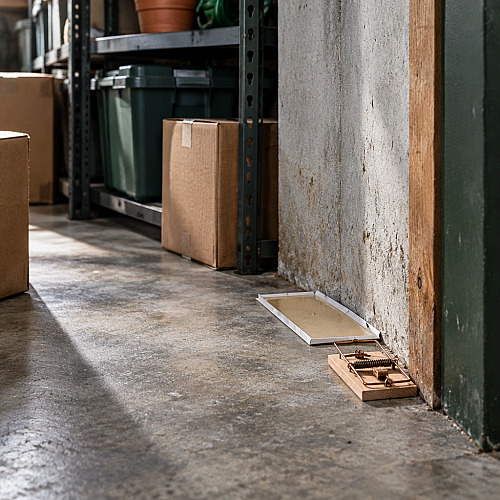
Snap traps work best when you use several rather than relying on one trap in the center of a room. Place them beside baseboards, behind stored items, near fresh droppings, or along a route connecting a suspected entry point with food or nesting material.
For a typical mouse route, position the trap perpendicular to the wall, with the trigger or bait end touching the baseboard. This uses the rodent's natural tendency to run along an edge and reduces the chance that it will simply walk around the trap.
Many basic snap traps do not include adjustable sensitivity settings. Do not bend, file, modify, or improvise the trigger mechanism. If a product provides a sensitivity adjustment, follow the manufacturer's instructions exactly and use the least aggressive setting that reliably activates the trap. Always handle a set trap carefully and keep it away from children, pets, and wildlife.
Best for: Active mouse routes in dry garages, unfinished basements, and storage rooms.
Trade-off: The exposed mechanism creates a safety concern in accessible areas, and you must check the trap frequently.
4. Choose Electronic Traps For Enclosed Handling
Electronic traps can fit homeowners who prefer an enclosed design and no-touch disposal. The Victor Electronic Mouse Trap is listed for indoor use and includes a notification system to indicate activity.
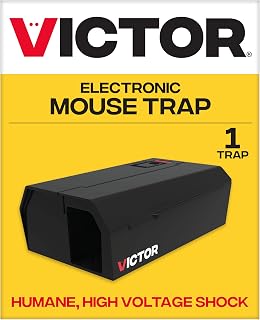
Electronic traps need a dry, stable location with enough clearance for the device entrance. Place one beside a wall, behind a storage bin, or near signs of activity, but do not bury it under clutter. Rodents need to be able to find and enter the trap.
These devices typically require batteries, so check the power source and status indicator during every inspection. A dead battery can turn an apparently ready trap into an inactive box. Electronic traps also should not be treated as waterproof or outdoor equipment unless the label specifically says otherwise.
They are not automatically safe simply because the mechanism is enclosed. Keep them where children, pets, and wildlife cannot reach them, and follow all label instructions for baiting, cleaning, and disposal.
Best for: Dry indoor spaces where you want an enclosed alternative to an exposed snap trap.
Trade-off: Electronic traps cost more than basic mechanical traps and depend on battery power.
5. Use Glue Boards With Caution
Catchmaster glue boards are widely available in multiple sizes and pack counts. The Catchmaster Max-Catch Glue Traps are compact and can fit along wall edges, beneath shelving, or in other controlled locations.
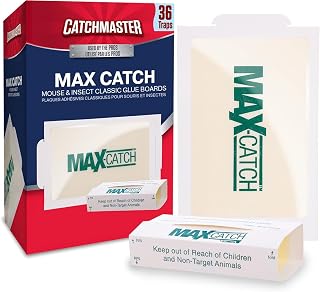
Glue boards raise serious ethical concerns because a trapped rodent can struggle for an extended period, become dehydrated, or suffer injuries while attempting to escape. They can also catch snakes, lizards, birds, pets, and other non-target animals, especially in garages, sheds, and accessible outdoor areas.
If you use a glue board, use it only according to the label and only where children, pets, and wildlife cannot reach it. Check it frequently, never leave it in an area where it can be forgotten, and prepare a humane response before setting it. If a non-target animal becomes stuck, contact a wildlife rehabilitator, veterinarian, or local animal-control professional for guidance rather than pulling the animal free.
Do not assume that nontoxic means harmless. A pesticide-free adhesive can still cause distress, immobilization, and injury. The product's chemical profile is only one part of responsible use.
Glue boards can serve a limited monitoring role in a protected indoor location, but they should not be the automatic first choice for every garage or basement. When lethal control is necessary, a properly used quick-action snap trap or enclosed electronic trap generally creates a more controlled outcome.
Best for: Limited monitoring in dry, inaccessible areas where frequent checking is guaranteed.
Trade-off: Glue boards create the greatest humane-handling and bycatch concerns in this lineup.
6. Place Traps Where Rodents Actually Travel
The most common placement mistake is setting a trap in the middle of an open floor. Rodents generally prefer edges, shadows, and protected routes, so center-floor placement often wastes time.
Inspect the garage or basement with a flashlight and look for:
Fresh droppings near walls or stored items
Gnaw marks on cardboard, plastic, wiring, or wood
Rub marks along baseboards
Gaps around pipes, wires, vents, and doors
Nesting material behind boxes or appliances
Food, birdseed, pet food, or spilled grain
Set multiple traps along the most active wall runs rather than scattering them randomly. A practical starting point is to place traps several feet apart along a confirmed route, then adjust their locations based on fresh activity. In a tight corner or narrow passage, closer spacing can make sense.
For snap traps, keep the bait end against the wall when the design calls for perpendicular placement. For electronic traps and enclosed devices, align the entrance with the wall route. Avoid damp areas, standing water, heavy dust, and locations where a door, vehicle, or storage bin can knock the trap out of position.
7. Fix The Entry Points
Trapping without exclusion is a losing cycle. You can remove one rodent today and still see fresh droppings tomorrow if the garage door, foundation, utility penetration, or vent remains open.
Inspect the full perimeter, including the bottom and corners of the garage door. Check where plumbing, electrical lines, HVAC components, and cables enter the structure. Seal appropriate gaps with durable materials suited to the surface and location. A temporary patch that rodents can chew through simply resets the problem.
Also reduce the reasons rodents stay. Store food, seed, and pet supplies in sealed containers. Remove cardboard clutter, clean spills, elevate stored materials, and keep firewood, dense vegetation, and debris away from exterior walls. Sanitation is not glamorous, but it is powerful.
When cleaning droppings, avoid sweeping or vacuuming dry material. Wear gloves, wet the area with an appropriate disinfectant according to its label, allow the recommended contact time, and wipe it up with disposable towels. Bag the waste securely, wash your hands, and disinfect tools or surfaces that came into contact with contaminated material.
8. Handle And Dispose Of Traps Responsibly
Check every trap at least daily, or more often when conditions, local guidance, or the product label require it. Frequent checks reduce odors, limit suffering, and help you understand whether the placement is working.
Wear disposable gloves when handling a trap, glue board, rodent, droppings, or nesting material. Keep your face away from the area, avoid direct contact, and wash your hands thoroughly afterward. Follow local rules for disposal, especially if you are dealing with rats, wildlife, or a high level of contamination.
For disposable products, follow the label's disposal instructions. Do not burn glue boards or place them where scavenging wildlife can access them. Reusable traps should be cleaned and disinfected according to the manufacturer's directions before reuse.
If you catch a non-target animal, do not improvise. Contact a veterinarian, licensed wildlife rehabilitator, or local animal-control agency. Rodent-control laws vary by state, county, and municipality, so follow local laws before trapping, relocating, or handling wildlife.
9. What Separates Good From Great
A good trap is available, functional, and appropriate for the target animal. A great rodent-control setup combines the trap with disciplined placement, daily inspection, sanitation, and exclusion.
Use these criteria before you buy:
Correct target: Confirm that the product is designed for the rodent and setting you are addressing.
Controlled placement: Choose a location inaccessible to children, pets, and wildlife.
Reliable activation: Use the product as designed and never modify the mechanism.
Humane handling plan: Know how you will respond before setting any trap, especially a glue board.
Easy inspection: Place traps where you can check them regularly without moving heavy objects.
Durable exclusion: Seal the entry point so new rodents are not simply replacing the ones removed.
Clean disposal: Use gloves, follow the label, and disinfect the surrounding area.
The best setup is not the one with the most traps. It is the one you can monitor consistently and pair with repairs that address the source of the activity.
10. Ranked Best-Use Picks
1. Best Overall For A Dry Garage: Victor Mechanical Snap Traps
The Victor Metal Pedal Mouse Traps earn the top position for a dry garage with visible mouse activity. They are simple, reusable, and practical to deploy along several wall routes.
The trade-off is the exposed mechanism. Keep them behind secured storage or inside an inaccessible area, and inspect them frequently.
2. Best Enclosed Option: Victor Electronic Mouse Trap
The Victor Electronic Mouse Trap is the better fit when no-touch handling and an enclosed design are priorities. It works best in a dry indoor area with reliable battery access.
The trade-off is cost and maintenance. Batteries, debris, and poor placement can undermine performance.
3. Best For Limited Monitoring: Catchmaster Max-Catch Glue Traps
The Catchmaster Max-Catch Glue Traps are compact and easy to position in controlled areas. They can help confirm rodent activity along a wall or behind protected storage.
The trade-off is substantial: glue boards create ethical concerns and can trap non-target animals. Use them only according to the label, check them frequently, and keep them completely inaccessible to children, pets, and wildlife.
11. The Bottom Line
For most garages and basements, start with several properly placed snap traps, then consider an electronic trap where enclosed handling makes more sense. Treat glue boards as a limited, carefully monitored option rather than a default solution.
The best rodent trap for garage use is only one part of the answer. Seal entry points, remove food and nesting opportunities, clean safely, and follow local laws. That combination addresses the current activity while reducing the chance that the same wall route becomes a revolving door.



Leave a Comment
Your email address will not be published. Required fields are marked *