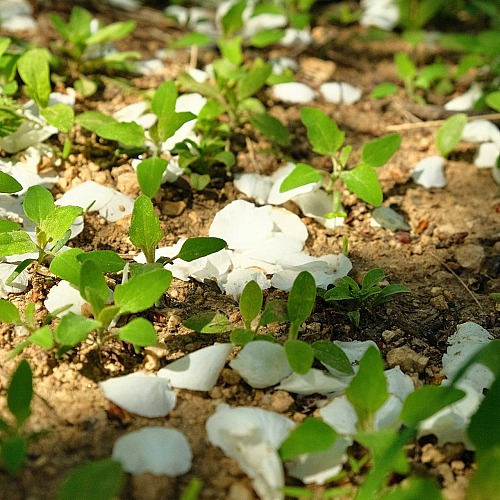
Years ago, while housesitting for my parents, my mom left one standing instruction: Take the coffee grounds outside for the plants. I did it without really thinking about it. A few years later, I lived with someone who ran a devoted worm composting setup on his balcony. Every usable scrap went straight to the bin, tracked with the kind of focus most people reserve for fantasy sports.
That’s when I started paying attention to how much garden gold an average kitchen turns out every day.
The idea behind homemade fertilizer is straightforward. Coffee grounds, eggshells, banana peels, and vegetable trimmings all contain nutrients that plants can use. The problem is that a lot of the advice about how to use them is oversimplified or outright wrong. The scraps are worth saving. It’s the methods that need a closer look. Here’s what extension research says.
The Big Three: Coffee Grounds, Eggshells, and Banana Peels
Coffee Grounds
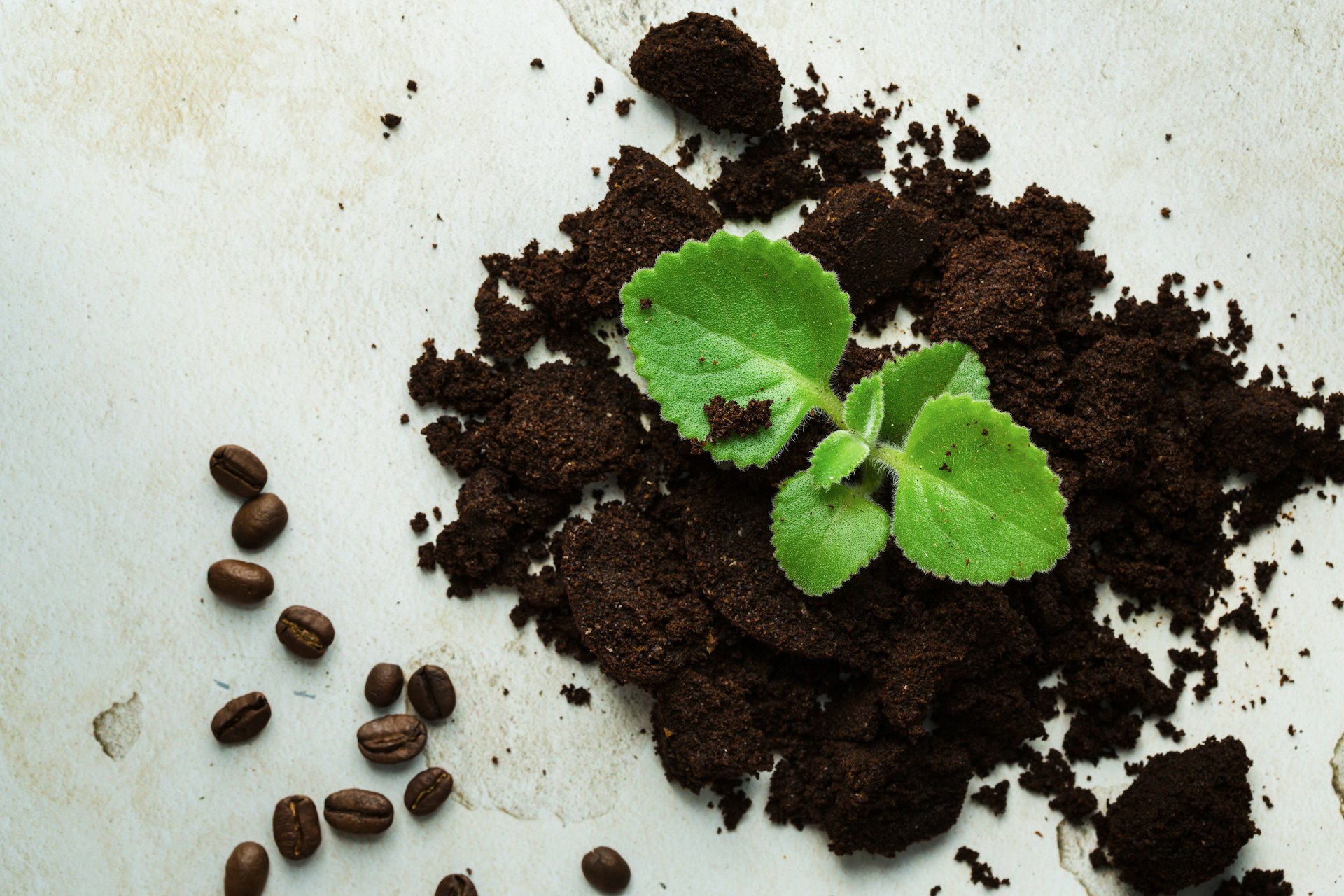
Coffee grounds are among the more useful kitchen scraps for the garden. They contain nitrogen, which supports leafy growth and overall plant health. Texas A&M AgriLife Extension notes that only a small fraction of that nitrogen is immediately available to plants. Most releases slowly as the grounds break down.
One popular claim is that coffee grounds lower soil pH, making them useful for acid-loving plants like blueberries and azaleas. University of Minnesota Extension notes that grounds have not been shown to consistently lower soil pH. If that’s the goal, a targeted amendment based on a soil test is a more dependable approach.
Best use: Work grounds lightly into the top layer of soil, or add them to your compost pile. Applied too thickly, they can compact into a layer that repels water.
Eggshells
Eggshells are high in calcium, which plays a role in plant cell wall development. They’re also frequently recommended as a cure for blossom end rot in tomatoes and peppers. The problem: University of Minnesota Extension notes that eggshells do not prevent blossom end rot and that eggshells generally decompose too slowly to be effective even when calcium is needed.
Blossom end rot is most often caused by inconsistent watering, which prevents plants from absorbing calcium already present in the soil. More even moisture is the fix. Finely crushed eggshells can contribute calcium over a longer timeframe and may modestly improve soil structure, but they’re better suited to a compost pile than direct application.
Banana Peels
Banana peels are a reasonable source of potassium, which supports root development and helps plants handle stress. They also contain some phosphorus. Unlike eggshells, they break down relatively quickly in compost. You can bury them shallowly near the base of plants, but composting first is more effective and reduces the risk of attracting pests to your beds.
Direct Application vs. Composting First
Not all scraps make good homemade fertilizer the moment you’re finished with them. Some break down quickly enough to be useful on their own, but others are better off going through a compost pile first, where microorganisms convert organic matter into a form plants can absorb.
Direct application works for finely ground coffee grounds and chopped vegetable peels worked into the soil surface.
Composting first is better for eggshells, banana peels, citrus peels, and any larger chunks of material.
If you’re building a compost pile, aim for a two-to-one ratio of brown materials (dry leaves, cardboard) to green materials (kitchen scraps, fresh trimmings). That carbon-to-nitrogen balance keeps the pile active and prevents it from turning soggy.
How To Make a Simple Liquid Fertilizer From Scraps
Compost tea is easy to prepare and works well for containers and in-ground beds. University of Maryland Extension recommends steeping finished compost (or vermicompost) in water at a 5:1 ratio (five parts water to one part compost by volume) for one to three days, then straining and applying the liquid to plants. Here’s the basic method:
Fill a bucket or jar with finished compost or vermicompost.
Add water at a 5:1 ratio (five parts water to one part compost).
Let it steep for one to three days.
Strain out the solids and return them to the compost pile.
Dilute the liquid further until it’s a light brown tea color, not a dark concentrate.
Apply to the base of plants, not the leaves.
Compost tea is low in nutrients by design, which is what makes it safe for seedlings and transplants. It’s a gentle boost, not a replacement for soil amendments.
What To Keep Out of the Compost
Some scraps don’t belong in a home compost pile. Leave these out:
Meat, poultry, and fish
Dairy products
Fats, oils, and grease
Bones
These attract pests, can introduce pathogens, and break down far too slowly in a typical home pile. As University of Missouri Extension notes, kitchen scraps that exclude grease, fat, meat, and bones are appropriate for composting. Keep it to plant-based material.
Quick Reference: What Common Scraps Contribute
Scrap | Key Nutrient(s) | Best Use |
|---|---|---|
Coffee grounds | Nitrogen | Soil amendment, compost |
Eggshells | Calcium | Compost (finely crushed) |
Banana peels | Potassium, phosphorus | Compost, buried near plants |
Vegetable peels | General organic matter | Compost, liquid fertilizer |
Consider a Soil Test
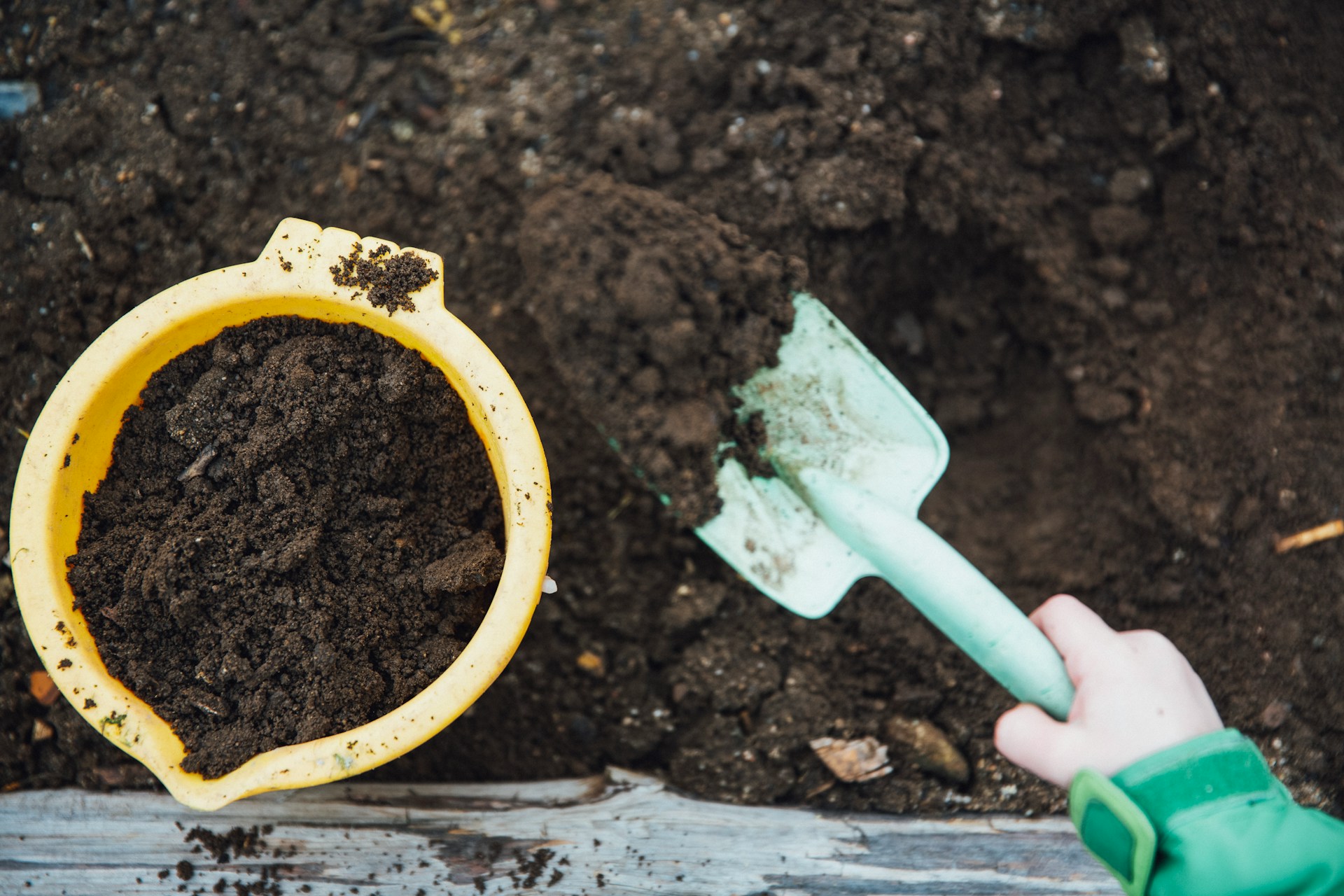
Before adding any amendment, scraps included, consider getting a soil test. Most university extension offices offer low-cost testing that tells you what your soil is missing and what it already has in abundance. Adding calcium to soil that’s already calcium-rich won’t benefit plants and can block the uptake of other nutrients. It’s a small investment that makes every amendment more targeted and keeps you from solving problems you don’t have.
Try Vermicomposting When Space Is Limited
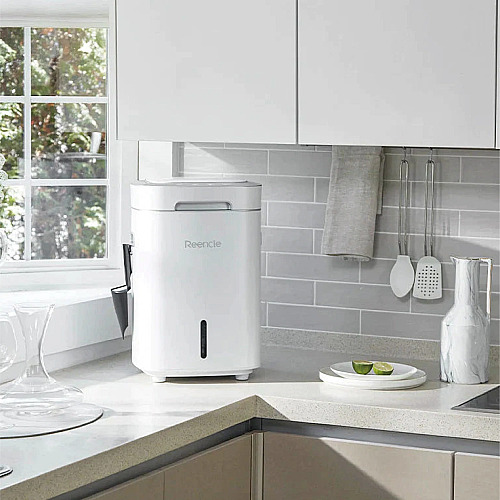
Vermicomposting, or worm composting, is a compact indoor option for apartments, condos, and anyone short on yard space. A small bin stocked with red wigglers processes kitchen scraps year-round with no odor when managed properly. The castings they produce are nutrient-rich and work as either a soil amendment or the base for compost tea. Bins can sit under a kitchen counter or in a closet and require minimal upkeep beyond feeding and occasional harvesting.
Making Kitchen Scraps Work in Your Garden
Homemade fertilizer from kitchen scraps won’t replace a full soil amendment program, but used correctly, they return organic matter to your garden and feed the microorganisms that keep soil healthy. Just don’t treat scraps as a cure-all. Test your soil first, let the results guide what you add, and trust the scraps to slowly build the kind of soil that makes everything you grow a little easier.



Leave a Comment
Your email address will not be published. Required fields are marked *