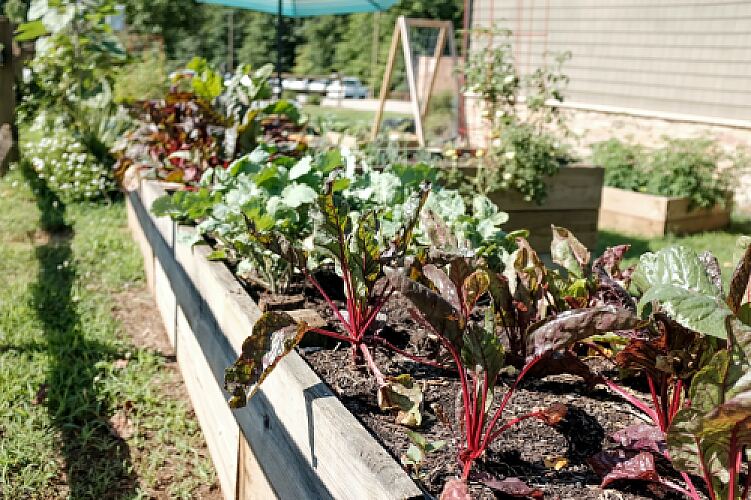
In a world where the importance of sustainable living is gaining momentum, organic gardening has become a popular and fulfilling way to connect with nature while providing fresh, healthy produce. Whether you have a sprawling backyard or a small balcony, embracing organic gardening practices allows you to cultivate a thriving ecosystem while minimizing the use of synthetic chemicals. Here’s a comprehensive guide on how to start your organic gardening journey and sow the seeds of sustainability.
1. Understanding Organic Gardening: The Basics
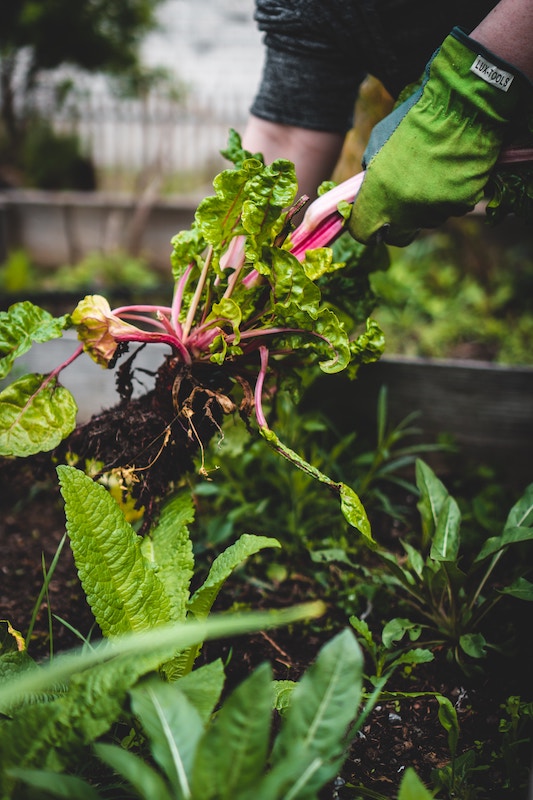
Photo by
Jonathan Kemper
on
Unsplash
Before you plunge into the world of organic gardening, it’s crucial to understand the core principles. Organic gardening relies on natural processes and substances to promote soil health, control pests, and nurture plants. It avoids the use of synthetic fertilizers, pesticides, and genetically modified organisms (GMOs), focusing instead on sustainable and environmentally friendly practices.
2. Selecting the Right Location: Sunshine and Soil Health
Choose a location with ample sunlight for your garden. Most vegetables and herbs thrive in at least 6-8 hours of direct sunlight. Assess the soil quality and aim for well-draining, nutrient-rich soil. Compost is an excellent addition to enhance soil structure and fertility.
3. Starting with Organic Seeds and Seedlings
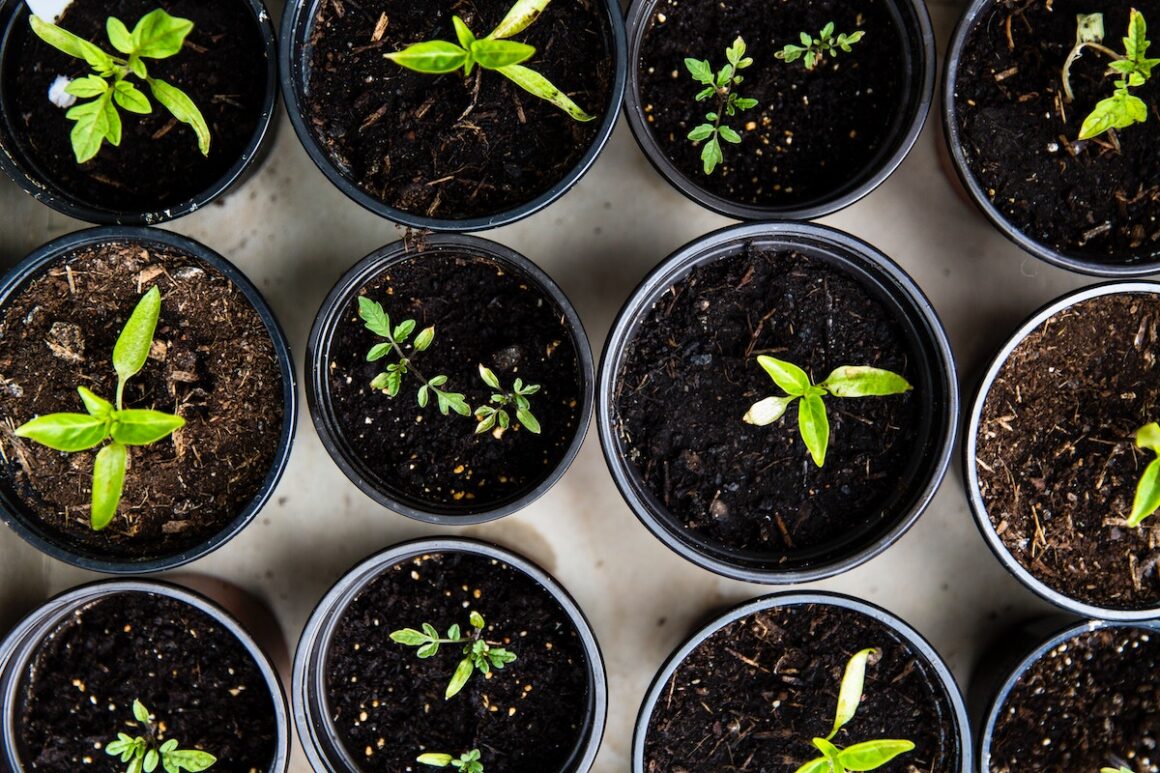
Photo by
Markus Spiske
on
Unsplash
Opt for organic, non-GMO seeds or seedlings to kickstart your garden. These seeds are free from synthetic coatings or treatments, ensuring that your plants grow in harmony with nature from the very beginning.
4. Composting: Nature’s Gold
Create your own compost by recycling kitchen scraps, yard waste, and organic matter. Composting not only reduces waste but also produces nutrient-rich humus that enhances soil fertility. Use compost as a top dressing or mix it into the soil before planting.
5. Natural Pest Control: A Balancing Act
Encourage natural predators like ladybugs, spiders, and birds to keep pest populations in check. Planting companion plants that repel pests or attract beneficial insects can also contribute to a healthier garden ecosystem.
6. Mulching for Moisture and Weed Control
Mulching serves multiple purposes in an organic garden. It helps retain soil moisture, suppresses weeds, and regulates soil temperature. Organic materials like straw, leaves, or bark make excellent mulch choices.
7. Watering Wisely: Conserving a Precious Resource
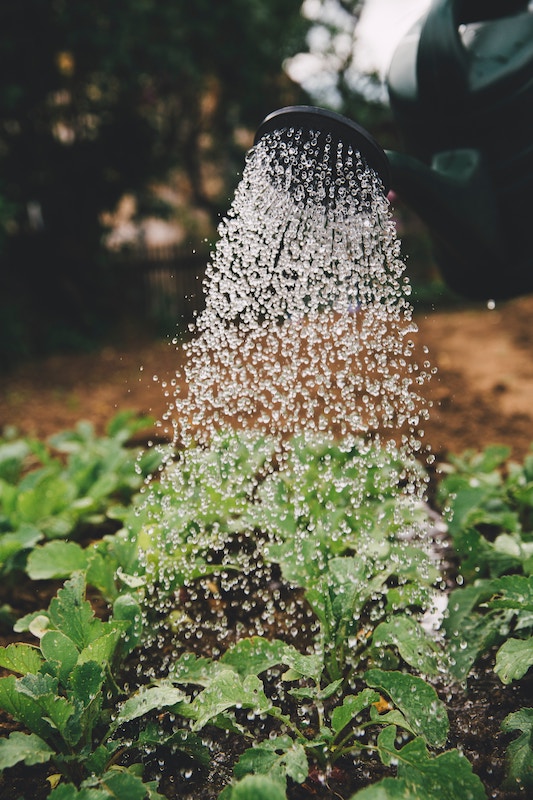
Photo by
Markus Spiske
on
Unsplash
Practice efficient watering by providing your plants with deep, infrequent watering rather than shallow, frequent sessions. Utilize rain barrels to collect rainwater, reducing dependency on municipal water sources.
8. Crop Rotation: Preventing Pests and Diseases
Rotate your crops annually to prevent the buildup of pests and diseases in the soil. Different plant families have different nutrient requirements, and crop rotation helps maintain soil balance while reducing the risk of soil-borne issues.
9. Organic Fertilization: Feeding the Soil
Feed your plants with organic fertilizers such as compost, well-rotted manure, or natural amendments like bone meal and kelp. These options provide a slow release of nutrients, promoting long-term soil health.
10. Continuous Learning and Adaptation
Organic gardening is a dynamic journey of continuous learning. Stay curious, observe your garden, and be open to adapting your practices based on the needs of your plants and the ever-changing environment.
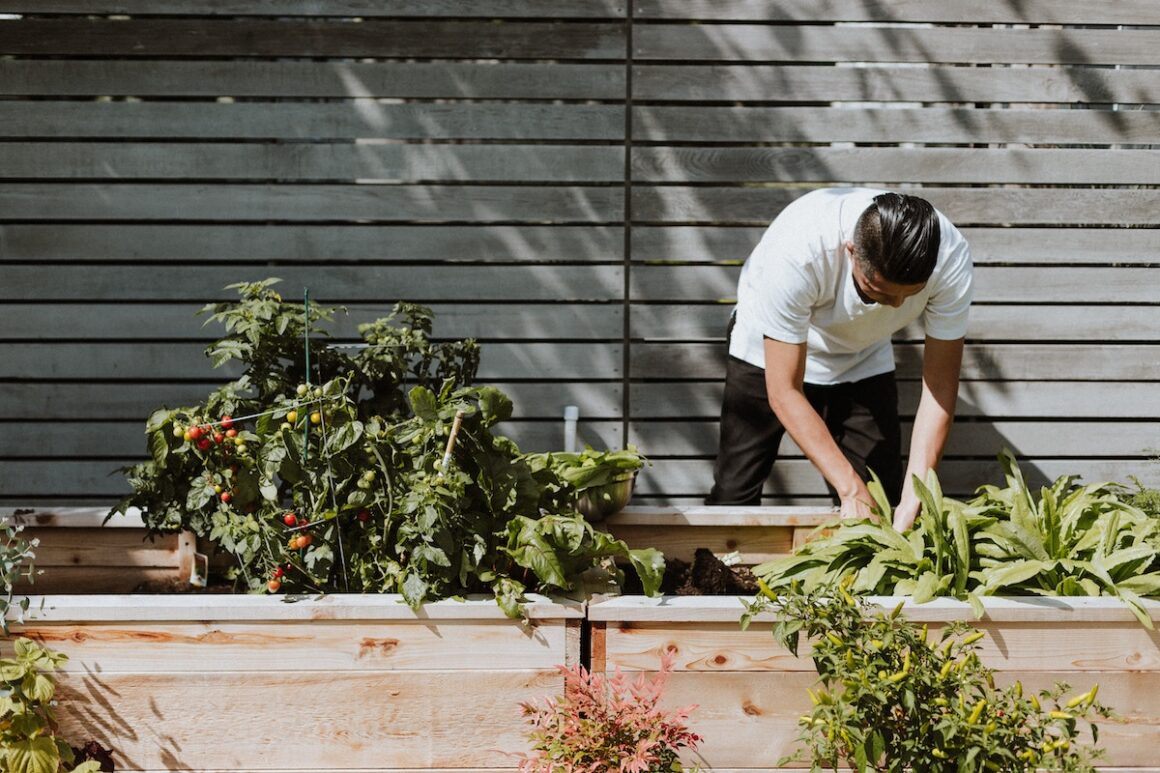
Photo by
Priscilla Du Preez 🇨🇦
on
Unsplash
Conclusion: Cultivating a Greener Tomorrow
Embarking on the path of organic gardening is a rewarding and empowering experience. By fostering a harmonious relationship with nature, you not only enjoy the fruits of your labor but also contribute to a healthier planet. As you cultivate your garden organically, you become a steward of the Earth, sowing the seeds of sustainability for a greener tomorrow. Happy gardening!





Leave a Comment
Your email address will not be published. Required fields are marked *