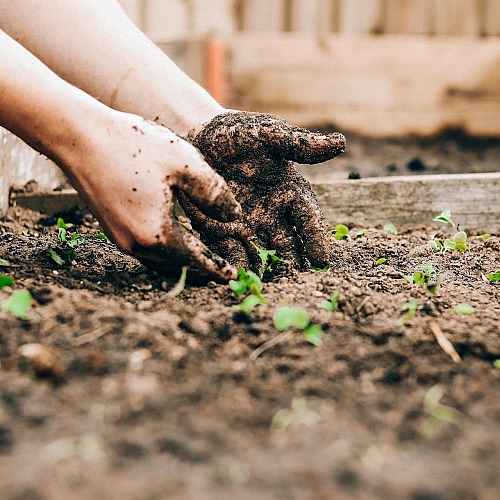
There’s something deeply satisfying about deciding to grow your own food. The tricky part? Figuring out where to start. Seed catalogs make it tempting to plant a little bit of everything, but a smaller, more focused bed tends to be a lot more fun (and a lot less stressful) than a sprawling plot that needs constant attention.
A good beginner vegetable garden layout keeps things simple on purpose. Five crops, one raised bed, and enough room to learn without feeling like you’re running a small farm. Here’s a plan that gives you a real harvest without the overwhelm.
Why a 4x8 Bed Is the Sweet Spot
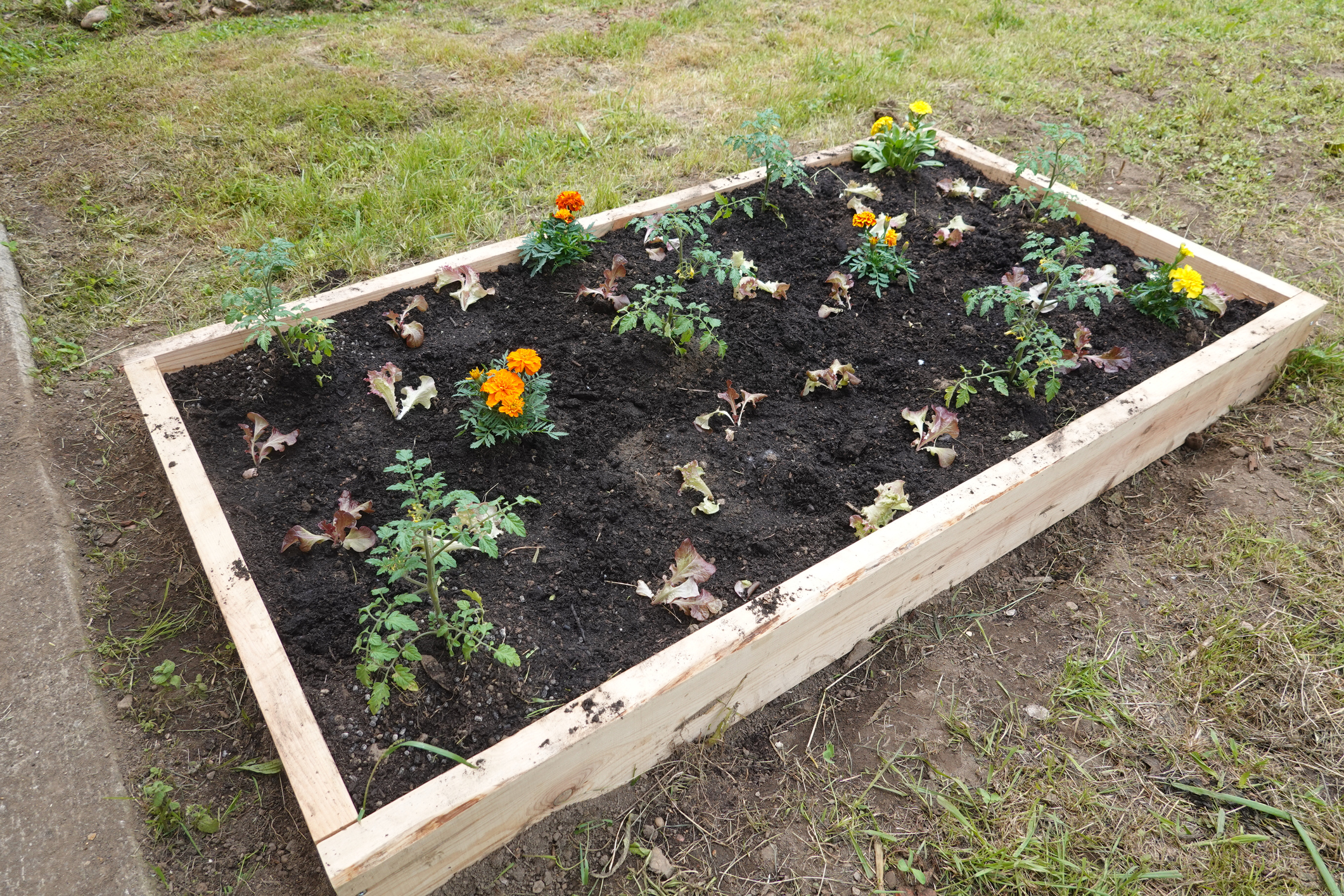
A 4-foot-by-8-foot raised bed is widely recommended as an ideal starting size. A single 4x8 raised bed can supply a good portion of produce for one to two people. It’s a good idea for beginners to start at this size to keep the workload manageable.
The 4-foot width matters, too. It allows you to reach the center of the bed from either side without stepping on the soil, preventing compaction and keeping roots happy.
If you’re building a raised bed from scratch, cedar is a popular choice because it’s naturally rot-resistant and doesn’t require chemical treatment. A kit like the Greenes Fence 4x8 Cedar Raised Bed makes assembly straightforward.
Your Beginner Vegetable Garden Layout
Here’s a focused layout for a 4x8 bed, organized from north to south so taller plants don’t shade shorter ones. Some sources recommend placing taller crops on the north and west sides for this reason.
Position | Crop | Spacing |
|---|---|---|
North end (back) | 2 tomato plants, staked or caged | 24” apart |
Middle-north | 1 zucchini plant, centered | ~24” spread |
Center | 1 row of bush beans across the bed | 4” between plants |
Middle-south | 1–2 rows of leaf lettuce | 6–8” between plants |
South end (front) | Herbs: basil, parsley, or chives | Corners and edges |
This layout uses block-style planting, where crops are grouped in sections rather than single rows. It’s more space-efficient, and the foliage fills in, reducing weed pressure as the season progresses.
Why These Five Crops Earn Their Spot
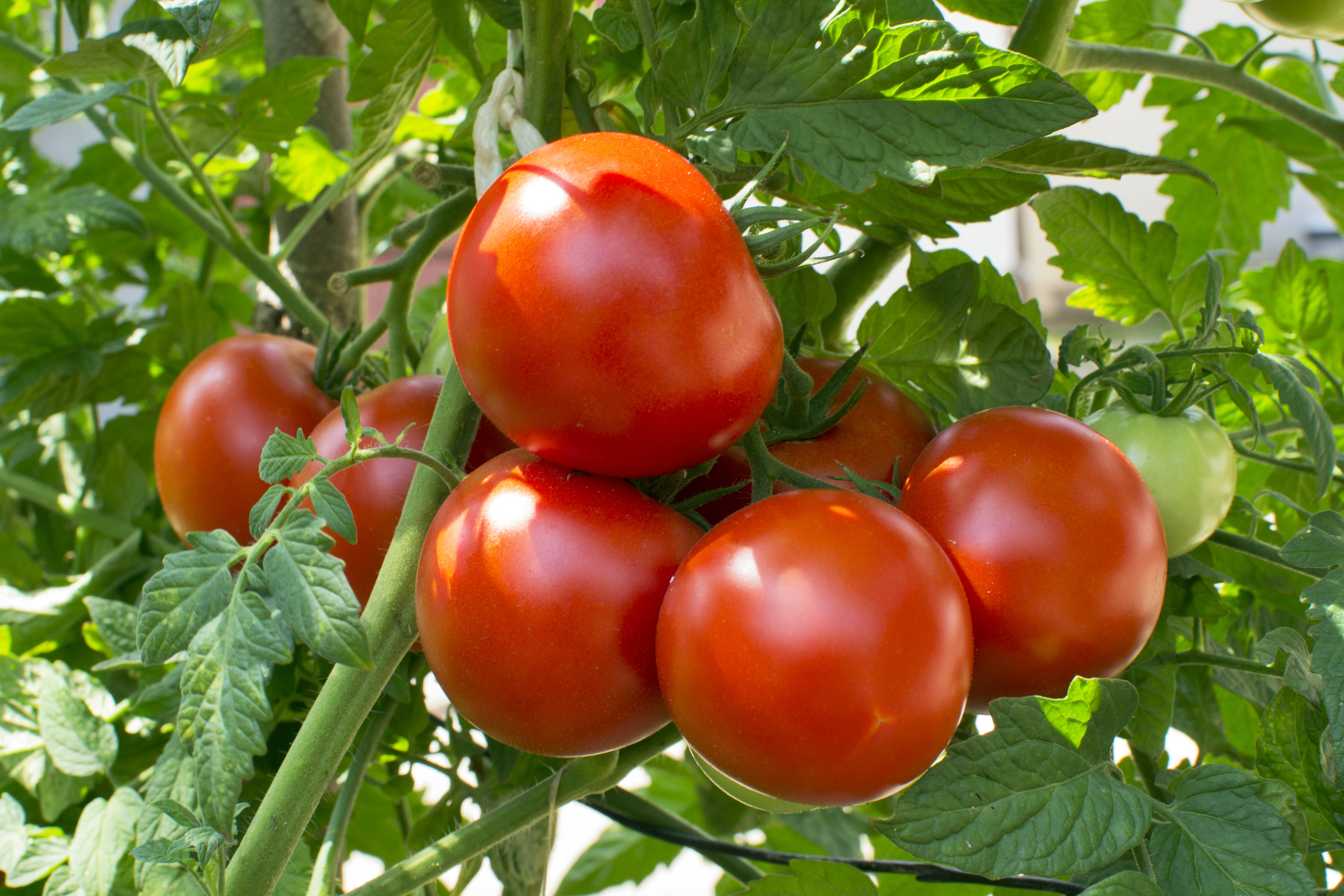
Tomatoes are the gateway crop. They’re forgiving, high-yielding, and there’s nothing like pulling a ripe one off the vine. Two plants are enough to keep a household in fresh tomatoes through peak season without overwhelming you.
Zucchini is famously productive. One plant can produce more than enough for regular harvesting, and it matures quickly, which gives you an early sense of accomplishment.
Bush beans are compact, grow quickly, and fix nitrogen in the soil, benefiting neighboring plants. They’re also one of the easiest vegetables to direct sow.
Lettuce grows quickly in cooler weather and can be harvested multiple times by cutting the outer leaves while the center continues to grow. University of Maryland Extension lists it among the easiest vegetables for beginners.
Herbs like basil, parsley, and chives round out the bed. They take up minimal space, attract pollinators, and give you something to pair with everything else you’re growing.
Companion Planting Basics for This Bed
You don’t need to master companion planting to get started, but this layout already has a few good pairings built in. Basil planted near tomatoes may help repel certain pests like aphids, and the two are a natural match in the kitchen, too. Bush beans fix atmospheric nitrogen and release it into the soil, which benefits neighboring crops over time.
For a first garden, the biggest win is grouping crops by sun and water needs. This layout handles that, so you’re already ahead of the game.
Getting the Timing Right
One of the nice things about this layout is that not everything goes in the ground at the same time. Your planting schedule will depend on your local frost dates, but here’s the general idea:
Lettuce is a cool-season crop and can go in several weeks before your last frost date. It’s the first thing you’ll plant and the first thing you’ll harvest.
Tomatoes, zucchini, and beans are warm-season crops. They need soil temperatures above 60°F and should wait until after the danger of frost has passed.
Herbs like basil prefer warm soil, while parsley and chives can handle cooler conditions. Tuck them in when the timing fits.
This natural staggering means you’ll have something growing in the bed earlier in the season, and it opens the door to succession planting. Once your lettuce bolts in the heat, you can replant that section with a second round of beans or a fall crop of greens.
What to Save for Year Two
Part of a focused beginner vegetable garden layout is knowing what to skip for now. Corn requires a large block for proper pollination and takes up too much space in a small bed. Melons and watermelons send sprawling vines well beyond a 4x8 footprint. Root vegetables like carrots and beets can work in raised beds, but they’re slower to reward and harder to gauge for readiness compared to the crops above.
These aren’t bad choices. They’re just better suited for a second season, when you’ve got some experience and maybe a second bed to fill.
Start Here and Grow
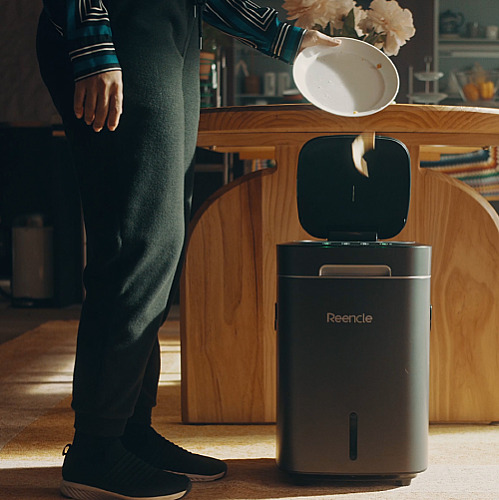
The best first garden is one you can keep up with. This beginner vegetable garden layout gives you enough variety to stay engaged, enough yield to feel the payoff, and enough breathing room to learn as you go. Once you’re composting kitchen scraps and eyeing that empty corner of the yard for bed number two, you’ll know the plan worked.
If you’re already thinking about building healthier soil for next season, composting is a great next step. Our guide to making homemade fertilizer from kitchen scraps covers how to turn everyday food waste into nutrient-rich amendments for your garden.



Leave a Comment
Your email address will not be published. Required fields are marked *