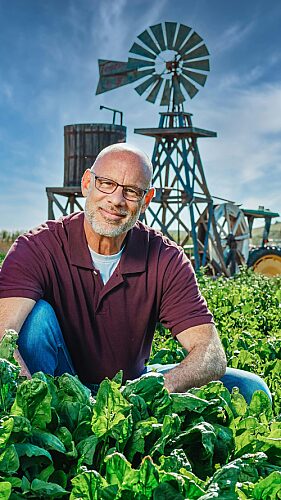
Imagine a world where the food you eat supports not just your health but also the planet. This vision is within reach, thanks to sustainable farming and regenerative agriculture—two practices working harmoniously to restore the Earth’s delicate ecosystems. Let’s dig deeper into the soil and uncover how these practices can transform agriculture, ecosystems, and even your backyard garden.
soil is the foundation of life.
The Soil Connection: The Foundation of Life
Dr. Rattan Lal (2023) aptly points out that the health of soil, plants, animals, people, and the environment is interconnected. Yet, conventional farming practices have taken a toll on this essential resource. The statistics are sobering:
50% of the world’s fertile topsoil has been lost in the past 150 years.
Salt-based fertilizers disrupt soil’s natural networks, reducing its ability to support growth.
If current trends continue, the remaining fertile soil may last only 60 years.
This makes the shift toward regenerative agriculture not just necessary but urgent.
REGENERATIVE AGRICULTURE IS A SUSTAINABLE SOLUTION.
Regenerative Agriculture: A Sustainable Solution
Regenerative agriculture replenishes the soil, fostering biodiversity and using organic methods like mulching and no-till farming. These practices lead to:
Healthier Food: Produce grown in nutrient-rich soil is more robust and nourishing.
Cleaner Water: Healthy soil acts as a natural filter, reducing water contamination.
Balanced Ecosystems: Biodiversity thrives in enriched environments.
Real-Life Example: In Honduras, Rogelio Mazariegos turned his farm into a beacon of sustainability by starting a composting business that enriches soil with organic nutrients.
trees and wildlife balance our ecosystems,
Trees, Wildlife, and Balanced Ecosystems
Tree planting is a cornerstone of regenerative farming, preventing soil erosion and strengthening soil structure. Similarly, wildlife conservation plays a vital role. Predators, pollinators, and decomposers maintain balance in ecosystems, supporting sustainable farming practices.
Organic waste transforms into nutrient-rich topsoil.
Key Practices for Soil Health Restoration
Regenerative agriculture isn’t a one-size-fits-all approach. Here are four core methods tailored to different needs:
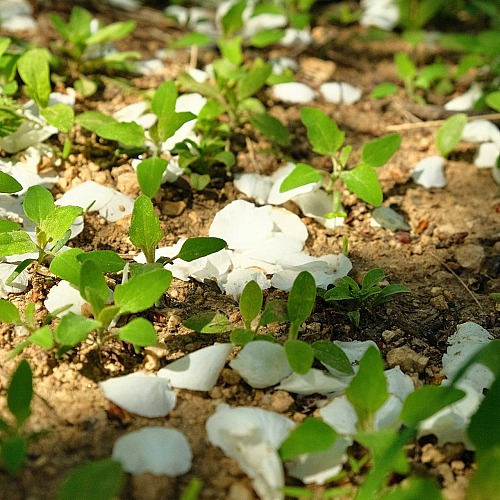
Composting: Organic waste transforms into nutrient-rich topsoil. Example: Farmers in SHI-Belize use efficient microorganisms to boost soil health.
Organic Fertilizers: These enhance soil resilience. Example: SHI-Panama farmers combat drought using agroforestry.
Mulching: Retains moisture and enriches fertility. Example: Romula Cantun in Belize uses mulch to enhance her garden’s productivity.
Cover Cropping: Maintains nutrients and improves water retention.
The Empowerment of Family Farmers
Regenerative farming is not just about the environment; it’s about empowering people. SHI’s model enables farmers to sustain their families and communities while restoring degraded land.
Case in Point: Ángel Vivas from Panama reclaimed degraded land, securing food and income for his family in a climate-vulnerable region.
soil prep is the key to a thriving garden.
Soil Preparation: The Key to Thriving Gardens
Healthy soil is the backbone of any successful garden. Here are some tips to prepare your soil for planting:
Basics for Beginners: Clear debris and loosen soil 8–12 inches deep.Add 2–4 inches of organic matter.
Leveling and Soil Types: Level beds with a rake; use raised beds for better drainage in cold climates.Identify your soil type (clay, sandy, or loamy) and amend accordingly.
Nutrient Needs: Ensure the right balance of nitrogen, phosphorus, and potassium (NPK).Adjust soil pH to 6.0–7.0 for optimal growth.
Organic Matter and Long-Term Management: Compost, aged manure, and leaf mold enrich soil structure and microorganism activity.Focus on building fertile soil for lasting success.
soil is a living entity.
The Bigger Picture: Soil as a Living Entity
Soil isn’t just dirt; it’s a living entity integral to Earth’s systems. As Ferris Jabr (2024) notes in The Soul of Soil, soil fulfills many criteria of life, including growth and self-preservation. Yet, it faces existential threats from deforestation, overgrazing, and unsustainable farming.
Without immediate action, 90% of habitable land could be substantially degraded by 2050, leading to catastrophic consequences for agriculture and biodiversity. By treating soil as a dynamic, living system, we can:
Reduce tillage and minimize soil disturbance.
Rotate crops and integrate diverse species.
Employ organic fertilizers and prevent erosion with cover crops.
A Call to Action
“Without soil, we lose our life source. With it, we can do anything,” reminds us of the power and potential of regenerative practices. Let’s prioritize soil health, support sustainable agriculture, and empower farmers to cultivate a brighter future. Together, we can turn over a new leaf for our planet and our plates.
References:
Penn State Extension (2022). Practical Tips for Healthy Soil in a Home Garden.
Lal, R. (2023). The Sustainable Soil-ution Beneath Your Feet.
Jabr, F. (2024). The Soul of Soil. The New York Times.
USDA NRCS Web Soil Survey.

Jenica “Hen” Weyand is a seasoned writer and creative professional with over 20 years of experience in brand storytelling, art, fashion, trends, and lifestyle. With a background in theater, design, and brand experience, Jenica continues to shape conversations around art, style, and modern living.
Green Thumb Review Staff






Leave a Comment
Your email address will not be published. Required fields are marked *