
There’s a short stretch at the end of May where 30 minutes of work can save you hours of damage control in July. The soil is warm, everything is green, and summer still feels like a long way off. But that sense of calm is exactly why so many gardeners miss the window without even realizing it.
Here are six gardening tasks for May that prevent bigger problems once temperatures climb and what to do about each one before June gets here.
1. Bare Soil Dries Out Fast in Heat, So Mulch the Beds
Without mulch, exposed soil loses moisture rapidly once the temperatures climb. That means more watering, more weeds, and stressed root systems trying to cope with swinging soil temperatures.
The fix is simple: Spread two to four inches of organic mulch around your plants and beds before the heat arrives. That layer keeps soil cool, curbs moisture loss, and suppresses weed germination by blocking sunlight. Just three inches of wood chip mulch may reduce the midday soil temperature by 18°F.
Shredded bark, straw, and dried leaves all work well. Spread mulch around plants, but keep it a couple of inches away from stems to prevent rot.
2. Climbers Collapse, So Stake Them Now
Tomatoes, beans, cucumbers, and other climbing plants grow fast once warm weather settles in. Without support, they sprawl across the ground, and that contact invites disease, attracts pests, and makes harvesting a chore.
Install tomato cages, stakes, or trellises now while the plants are still manageable. Keeping fruit and foliage off the ground improves air circulation and reduces contact with soil-borne pathogens. Trying to retrofit supports once a plant is heavy and tangled risks snapping stems.
3. Pests Multiply Fast in Summer, So Scout Now
By July, a pest population that started small in May can overtake entire beds. Early detection is the difference between a quick fix and a lost crop.
An easy way to start is to set aside 15 minutes for a thorough walkthrough this week. Check the undersides of leaves for eggs, clusters of aphids, or early signs of fungal spots. May is when flea beetles and cucumber beetles emerge from overwintering sites, so watch for tiny holes in leaves on eggplant, tomato, and squash seedlings. Try row covers, which can exclude them before they settle in.
If you do spot problems, a targeted application of neem oil or insecticidal soap can handle most soft-bodied insects before they multiply. Catching issues early helps to keep interventions small.
4. Create a Watering Plan to Avoid Wilting
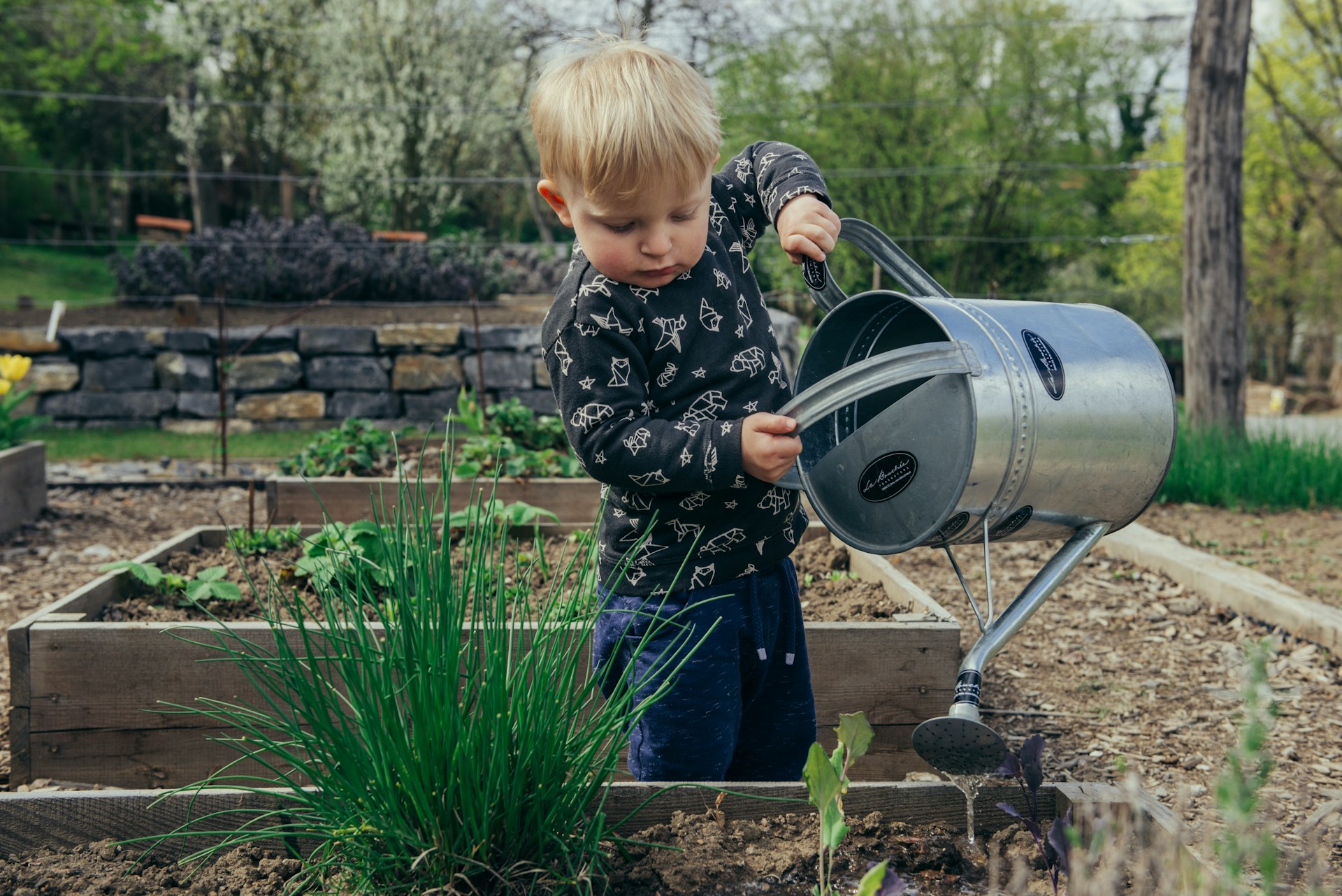
Of all the gardening tasks for May, setting up a reliable watering system may be the one with the biggest payoff once temperatures climb. Plants wilt, fruit cracks due to inconsistent moisture, and shallow watering encourages plant roots to remain near the surface, where they are most vulnerable to drought.
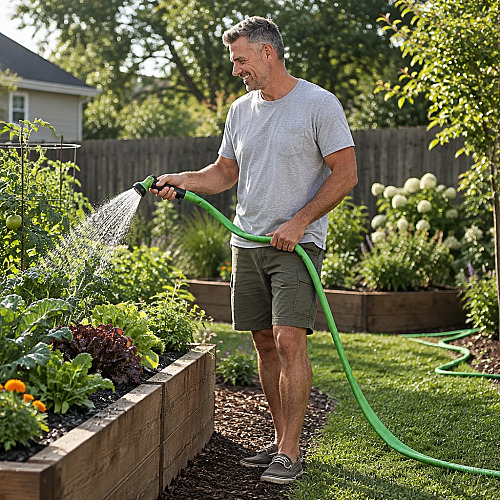
That’s why May is the time to decide on your irrigation method and get it in place. Drip irrigation systems can use 30–50% less water than sprinklers by delivering moisture directly to the root zone. Soaker hoses are another affordable option that works well in raised beds and row gardens.
Whichever method you choose, the goal is deep, infrequent watering. Aim for moisture that reaches at least 6–8” into the soil. That encourages roots to grow deep and access water on their own between sessions, rather than clustering near the surface where they dry out first.
5. Don’t Let the Planting Window Close
Warm-season vegetables like tomatoes, peppers, squash, and eggplant need time to establish roots before the hottest stretch of summer. If they go in too late, they expend energy coping with heat stress rather than producing fruit.
Check your USDA hardiness zone, and confirm that your last frost date has passed. If it has, everything that still needs to go in the ground should go in this week. Keep row covers or a light blanket on hand in case of a late surprise frost, but for most zones, late May is the green light for transplanting.
A note on timing: These dates vary significantly by region. Gardeners in the Deep South may have planted weeks ago, while those in northern zones might still be watching nighttime temperatures. Your local cooperative extension office can pin down the right dates for your area.
6. Start a Garden Log to Track Progress
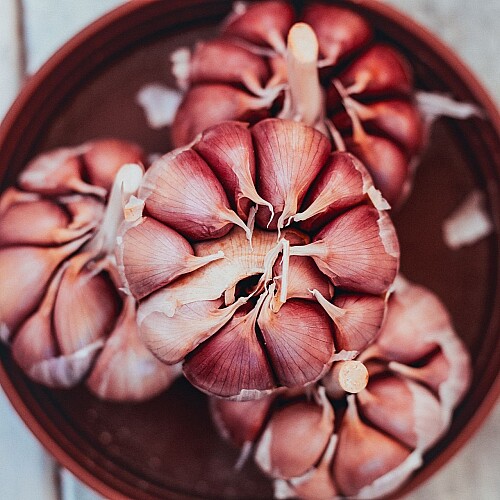
This one takes five minutes and costs nothing, but it may be the most valuable gardening task for May on this list. While everything is fresh, snap a few photos, and jot down what’s thriving, what’s struggling, and where the gaps are.
A simple garden journal or even voice memos on your phone can capture details you will absolutely forget by next spring. Which tomato variety produced first? Where did the slugs concentrate? Did that new bed get enough sun?
These notes become your personal planting guide for next year, and they are far more useful than any generic calendar because they reflect your specific soil, climate, and growing conditions.
A Little Effort Now, a Lot Less Work Later
None of these gardening tasks for May requires a full weekend. Most can be handled in an afternoon, and each one removes a problem you would otherwise be chasing in the heat of summer. Mulch the beds, stake the climbers, check for pests, set up watering, finish planting, and take a few notes.
The reward is a garden that can handle what June and July throw at it and more time for you to enjoy the results instead of scrambling to save them.
If you’re also getting your lawn ready for the warmer months, our guide to preparing your lawn for spring covers the essentials.
All product details, pricing, and availability were verified at the time of publication and may change without notice. Please confirm current information before making a purchase.




Leave a Comment
Your email address will not be published. Required fields are marked *