This article may contain affiliate links. If you purchase through these links, we may earn a small commission at no extra cost to you.
Most people think October is when the garden shuts down. It’s not. For most of the country, October is one of the best months to get things in the ground. What you can plant in October depends on where you live, though. A gardener in Vermont and a gardener in Atlanta have different to-do lists this time of year.
Some of what you plant now will reward you with a late-fall harvest. Some of it (garlic, spring-blooming bulbs, overwintering greens) won’t pay off until next year, and that requires a certain kind of gardening faith. And some things, like cover crops, are about keeping the soil healthy while everything else rests.
The key is knowing which crops make sense for your climate and giving them the best possible shot at success. Below, you’ll find October planting options broken down by USDA hardiness zone so you can make the most of every bed you’ve got.
How to Find Your USDA Hardiness Zone
The USDA Plant Hardiness Zone Map divides the country into 13 zones based on average annual extreme minimum winter temperatures. That sounds like a lot of jargon. It just means your zone number tells you how cold it typically gets where you live, which determines what plants can survive your winter and what’s going to give up on you by November.
You can look up your zone by zip code on the USDA’s interactive map. Zones 3 through 11 cover the vast majority of gardeners in the continental US. Here’s a rough geographic breakdown:
Zones 1–2: Interior Alaska (extremely cold; very limited October planting)
Zones 3–4: Upper Midwest, northern New England, and mountain regions of the West
Zones 5–6: Most of the Midwest, the Mid-Atlantic, and parts of the Pacific Northwest
Zones 7–8: The Southeast, coastal Pacific Northwest, and portions of the Southwest
Zones 9–11: The Deep South, Gulf Coast, Southern California, Hawaii, and southern Florida
Zones 12–13: Tropical areas like Puerto Rico and parts of Hawaii (year-round growing; no frost concerns)
Your first frost date matters just as much as your zone number. It tells you how many growing days you have left and whether a crop’s days to maturity still fit your window before cold weather shuts things down. Your local cooperative extension office can provide the most accurate first frost date for your specific area.
October Planting at a Glance
Not sure where to start? These are the top picks for each zone group:
Zone | Top Vegetables | Herbs | Flowers & Bulbs | Don’t Miss |
|---|---|---|---|---|
3–4 | Spinach, radishes, lettuce (under cover) | Cilantro, parsley | Tulips, daffodils, crocuses | Garlic (hardneck) + cover crops |
5–6 | Spinach, lettuce, radishes, carrots, beets, peas, kale, broccoli | Cilantro, parsley, thyme, oregano, chives | Tulips, daffodils, alliums, hyacinths, crocuses | Garlic (hardneck/softneck) + strawberry runners |
7–8 | Spinach, lettuce, kale, carrots, beets, turnips, arugula, broccoli, cauliflower, peas | Cilantro, parsley, dill, fennel, sage, thyme, oregano, chives | Tulips, daffodils, crocuses, alliums, irises, pansies, snapdragons, sweet alyssum | Garlic (softneck) + succession planting |
9–11 | Spinach, lettuce, kale, carrots, beets, turnips, arugula, broccoli, cauliflower, peas | Cilantro, parsley, dill, fennel, sage, thyme, oregano, chives | Pansies, snapdragons, sweet alyssum; bulbs need pre-chilling | Garlic (softneck) + wait for temps below 65°F |
How Strategies Shift by Zone
October gardening looks completely different depending on where you live. In the coldest zones (3–4), it’s all about getting garlic planted, protecting a few tough crops under cover, and putting beds to rest for winter.
The options open up fast as you move south. Zones 5 and 6 get a wider direct-sowing window plus fruit and berry planting. By zones 7–8, you’re running a full cool-season vegetable garden with herbs, flowers, and succession sowings that’ll keep producing for months. And in zones 9–11, October is basically the new spring.
Zones 3–4: Cold Climate Planting
Zones 3 and 4 cover the upper Midwest, northern New England, and the mountain regions of the West. The first frost has likely already come and gone by mid-October. Not going to sugarcoat it, the growing season is short here. But you’re not done yet.
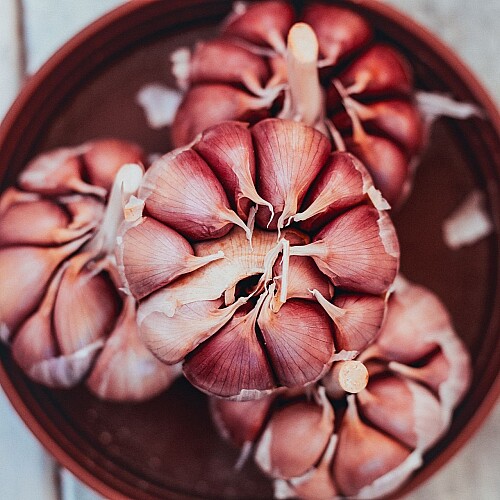
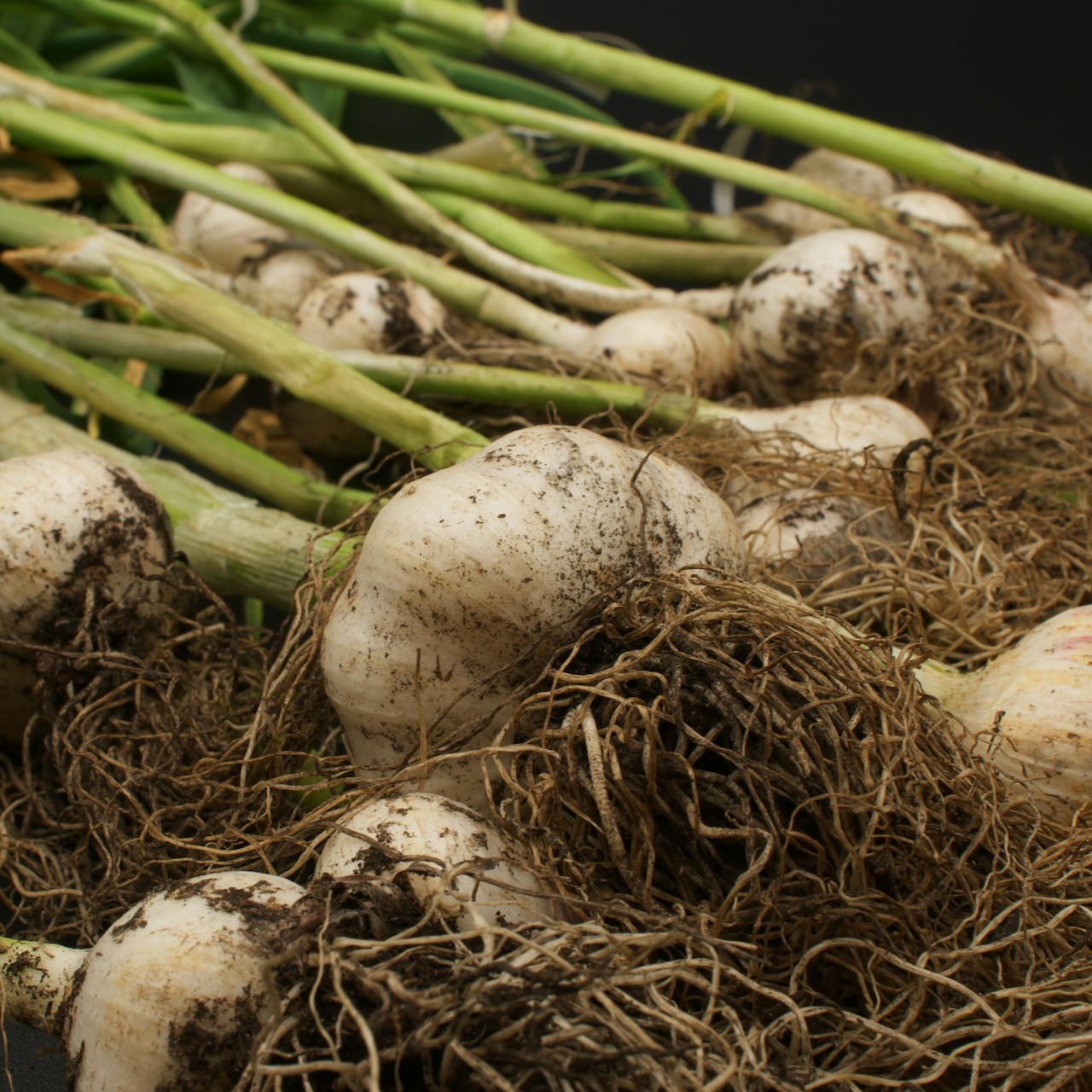
Garlic is the absolute headliner, and it’s not even close. Hardneck varieties like Music, German White, and Purple Stripe are built for cold winters. They need that deep chill to develop full-sized bulbs.
Plant cloves about two to three inches deep and six inches apart, pointy end up, then bury them under four to six inches of straw or shredded leaf mulch. They’ll put down roots before the ground freezes, do absolutely nothing all winter (don’t panic), and come back strong in spring. A quality seed garlic like Music Hardneck from TomorrowSeeds gives you a reliable starting point.
What to Direct Sow
Spinach is tougher than it looks. It can overwinter under a row cover or cold frame for one of the earliest spring harvests you’ll get. Radishes and lettuce can also go in early in the month if you have frost protection ready. Without it, they won’t make it far.
Transplants, Cover Crops, and Bulbs
If you started kale or collard green seedlings indoors, early October is your last window to transplant them under cover. For empty beds you’re finished with, sow a cover crop like winter rye or crimson clover. They prevent erosion, suppress weeds, and add nutrients back to the soil over winter.
This is also prime time for spring-blooming bulbs. Tulips, daffodils, and crocuses should go in before the ground freezes solid. Cold-hardy herbs like cilantro and parsley can be planted now, too. Both tolerate frost well and will either produce a late harvest or come back strong next spring.
Season extension tools aren’t optional in these zones. They’re survival gear. A cold frame or even a simple frost cloth can stretch your growing window by several weeks.
Zones 5–6: Transitional Climate Planting
Zones 5 and 6 cover most of the Midwest, the Mid-Atlantic, and parts of the Pacific Northwest. First frost typically arrives between early October and early November, which means you still have a solid planting window to work with.
Garlic goes in now. If you only plant one thing this October, make it garlic. Hardneck varieties are preferred for zone 5, while zone 6 gardeners can grow both hardneck and softneck types successfully.
Direct Sowing and Transplants
This is a strong month for cool-season crops. Direct sow spinach, lettuce, radishes, carrots, beets, turnips, arugula, and peas straight into the garden. Most of these handle light frost without flinching and will produce into late fall with minimal protection.
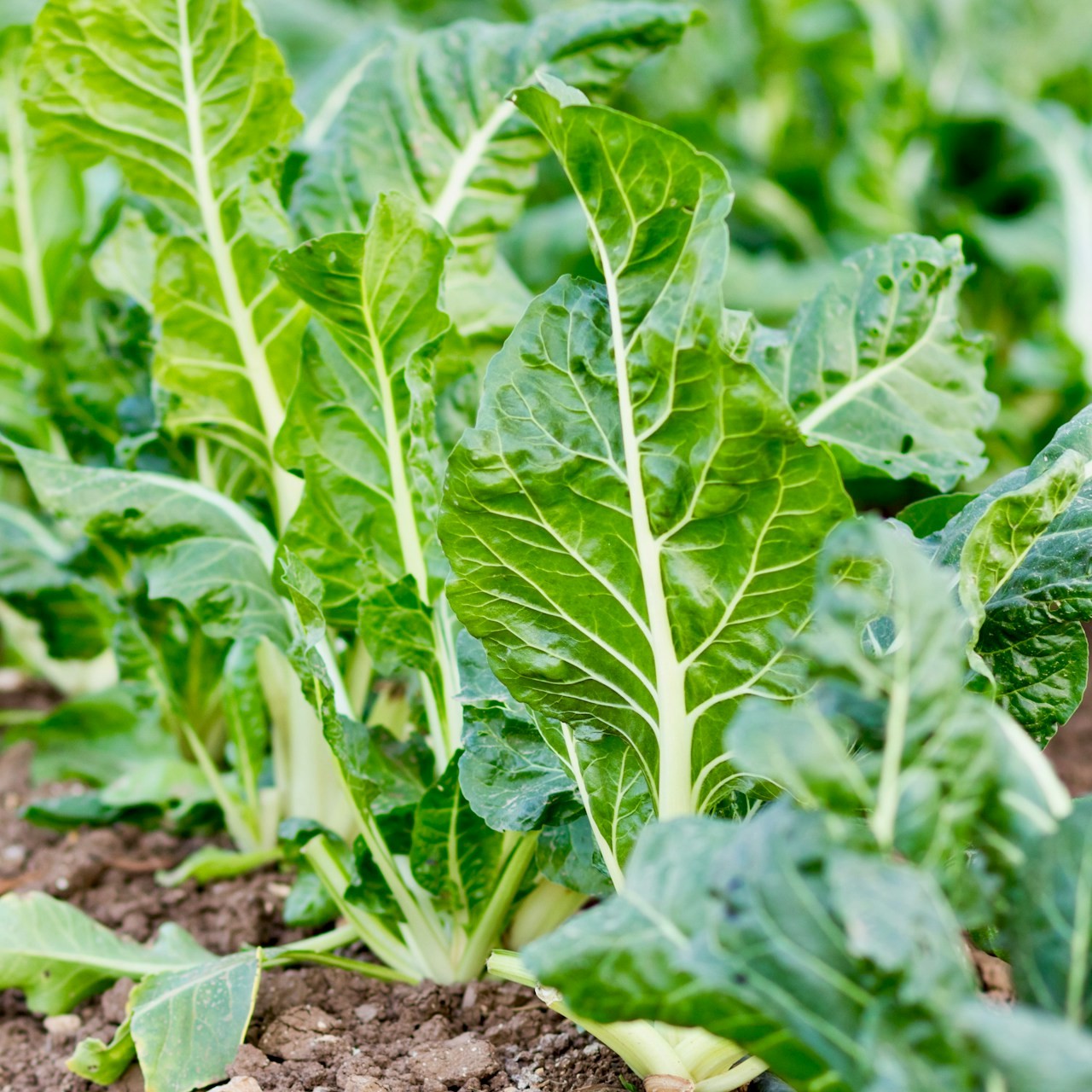
For transplants, kale, Swiss chard, broccoli, cauliflower, and Brussels sprouts can still go in early this month. Have row covers on hand for when hard freezes roll in. Succession planting works here, too. Sow a short row of lettuce or radishes every two weeks for a staggered harvest.
Bulbs, Herbs, and Fruit
Get spring-blooming bulbs in the ground this month. Tulips, daffodils, alliums, hyacinths, and crocuses should go in while soil temperatures are still above 55°F.
Cilantro, parsley, thyme, oregano, and chives all establish well when planted in fall. Thyme and oregano are perennials that’ll come back year after year.
This is also a strong window for planting strawberry runners and bare-root fruit trees and berry bushes like blueberry, raspberry, and blackberry. Fall planting gives roots months to develop while the plant is dormant. Cover crops like winter rye and crimson clover are worth sowing in any beds you’re done with.
Zones 7–8: Mild Climate Planting
Zones 7 and 8 cover the Southeast, the coastal Pacific Northwest, and portions of the Southwest. October here is the gardening sweet spot, and if you’re not taking advantage of it, you’re leaving the best planting window of the entire year on the table. First frost is still weeks away, and cooler temperatures finally let cool-season crops thrive after struggling through summer heat.
Vegetables
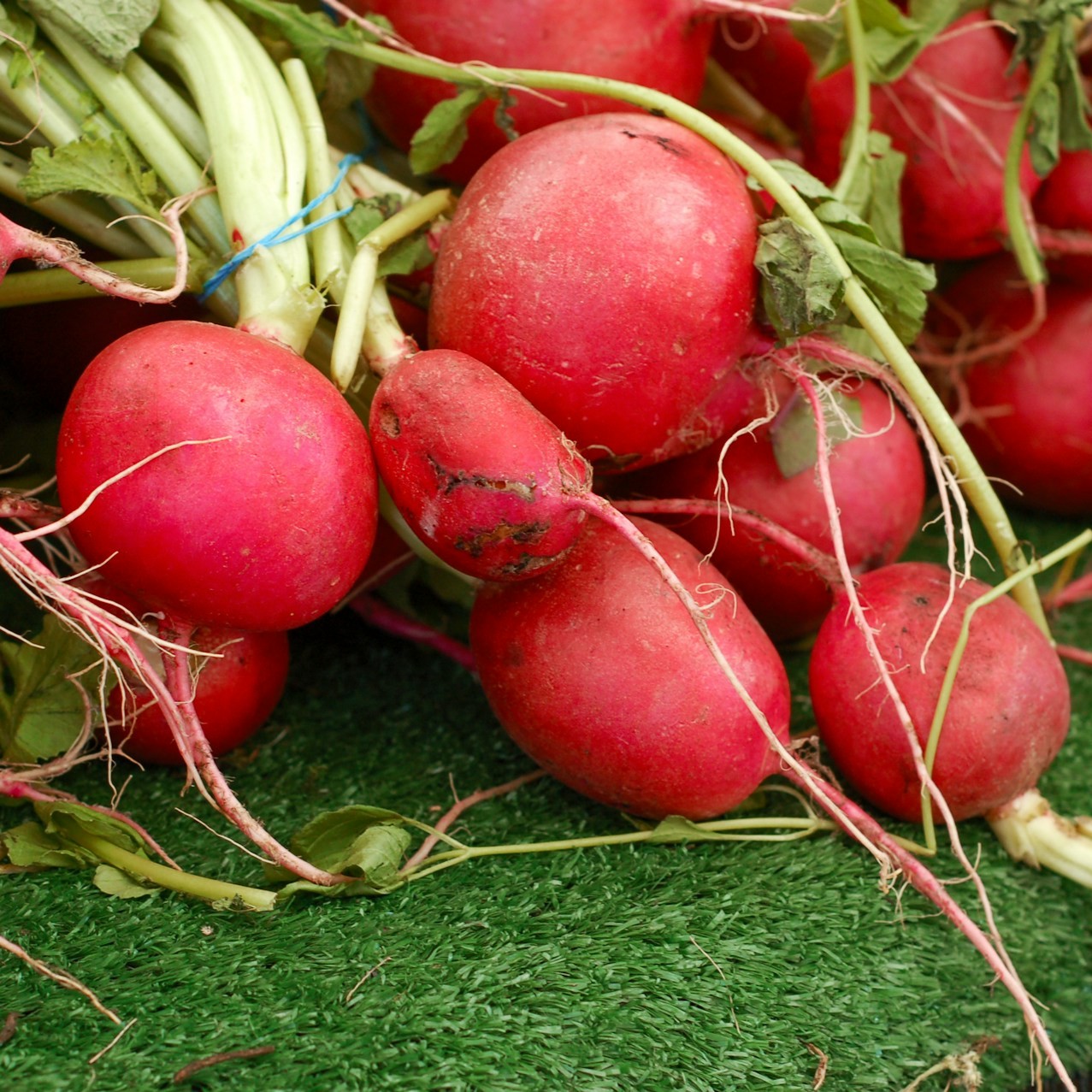
This is succession planting territory. Sow spinach, lettuce, kale, radishes, carrots, beets, turnips, arugula, Swiss chard, and peas every two to three weeks for a continuous harvest that can run well into winter. Onion sets go in now, too.
Transplant broccoli, cauliflower, Brussels sprouts, and collard greens early in the month. These will produce through the mild winter and into January and February.
Garlic goes in mid to late October. Softneck varieties do especially well in these zones.
Herbs and Fruit
Nearly every cool-season herb thrives right now. Cilantro, parsley, dill, fennel, sage, thyme, oregano, and chives all go in this month. If you’re still sitting on a surplus from this season, drying your fresh herbs before the first frost locks in their flavor for winter cooking.
Cilantro is especially worth planting now. Anyone who’s watched cilantro bolt to seed in two weeks of summer heat knows the frustration. October is cilantro’s redemption arc, and it’ll stay productive for months in cooler temperatures.
Strawberry runners and bare-root fruit trees and berry bushes all benefit from fall planting here. The mild winter gives root systems months to establish without the stress of summer heat.
Flowers and Cover Crops
Plant spring-blooming bulbs like tulips, daffodils, crocuses, alliums, and irises later in the month once soil temperatures drop below 60°F. For immediate color, pansies, snapdragons, and sweet alyssum go in now and bloom through winter. Cover crops like winter rye are still worth sowing in any empty beds to protect the soil through the colder months.
Zones 9–11: Warm and Subtropical Planting
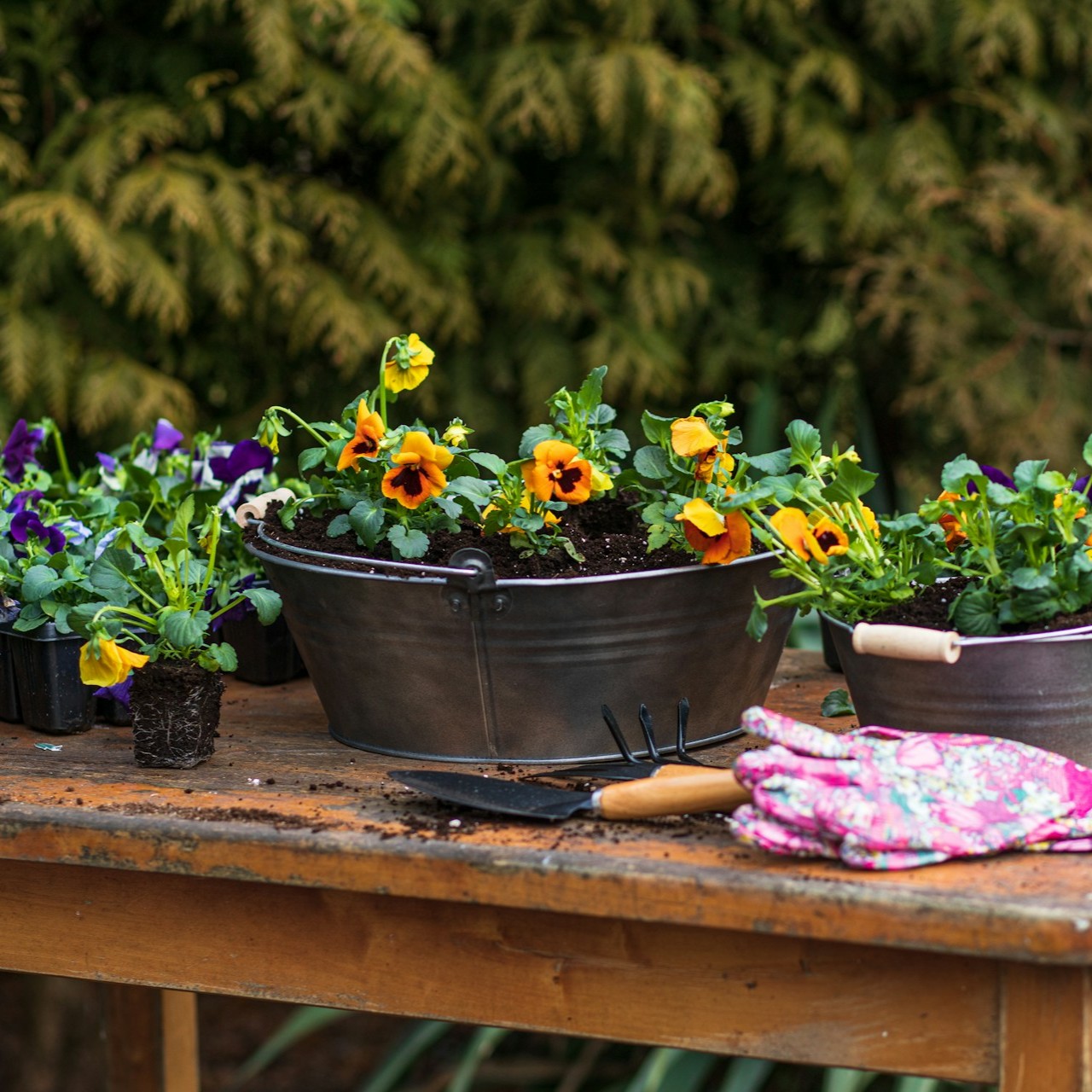
Zones 9 through 11 cover the Deep South, the Gulf Coast, Southern California, Hawaii, and southern Florida. October here is when gardening finally stops feeling like a losing battle against the sun. Summer’s heat has eased up, and all those cool-season crops that basically melted in July? They’re ready to thrive.
Vegetables
Direct sow spinach, lettuce, kale, radishes, carrots, beets, turnips, Swiss chard, arugula, and peas. Transplant broccoli, cauliflower, and collard greens. Short-day onion sets go in now, too.
Fair warning, though? Don’t jump the gun. Wait for nighttime temperatures to consistently drop below 65°F before planting cool-season crops. If it’s still running hot where you are, hold off a week or two. Patience now saves you from watching perfectly good seedlings cook.
Garlic goes in late October or early November in these zones. Softneck varieties are the way to go since they don’t require the extended cold period that hardneck types need.
Herbs, Flowers, and Fruit
This is the best time of year for herbs in warm climates. Cilantro, parsley, dill, fennel, sage, thyme, oregano, and chives will all produce through winter without breaking a sweat.
Pansies, snapdragons, and sweet alyssum provide color all winter long. For spring-blooming bulbs, there’s a catch (there’s always a catch in warm climates). Tulips and hyacinths need a cold period to bloom, and the ground doesn’t get cold enough here naturally.
Chill them in the refrigerator for 10 to 16 weeks before planting, and keep them away from fruit (the ethylene gas can damage bulbs). Daffodils are more forgiving and can often go in without pre-chilling, but crocuses need the same cold treatment as tulips.
Strawberry runners and bare-root fruit trees do well with fall planting in these zones. The mild winter ahead gives roots plenty of time to establish before the heat returns.
Flowers and Bulbs for October Planting
No matter your zone, the general rule for spring-blooming bulbs is to plant when soil temperatures have cooled to 55°F–60°F. Plant each bulb at a depth of about two to three times its height (a two-inch tulip bulb goes about six inches deep), and space them three to six inches apart. A depth-marked bulb planter like the Berry&Bird Bulb Planter makes this faster and more consistent, especially with a larger batch.
For color that starts now instead of next spring, pansies, snapdragons, and sweet alyssum bloom through fall and into early winter across most zones. They’re also great for filling gaps where summer annuals have finished, and they pair well with a fall flowerbed plan that layers bulbs underneath for a spring payoff.
Season Extension Tips
The difference between a garden that quits in October and one that keeps producing into December often comes down to a few affordable tools. Even a single sheet of frost cloth can buy your crops several extra weeks.
Row Covers and Frost Cloth
Lightweight frost cloth drapes directly over plants and traps heat from the soil while still letting light and water through. A reusable option like the Valibe Freeze Protection Plant Cover gives you a few extra degrees of frost protection, which can mean the difference between harvesting spinach in November and losing it to one cold night. Secure the edges with rocks, bricks, or soil to keep the fabric in place.
Cold Frames
A cold frame sits low over your garden bed and uses a transparent lid to trap heat from the soil while letting sunlight through. A wood-and-polycarbonate option like the Outsunny Wooden Cold Frame is sturdy enough to handle wind and rain without blowing over. Open the lid on warm days to prevent overheating, and close it at night to trap warmth.
Mulch and Raised Beds
A thick layer of mulch (4 to 6 inches of straw, shredded leaves, or pine needles) insulates the soil and helps overwintering crops like garlic and carrots survive hard freezes. Mulch also prevents the freeze-thaw cycles that can literally heave shallow-rooted plants right out of the ground. (Yes, that’s a real thing, and yes, it’s as annoying as it sounds.)
Raised beds offer an extra edge. They warm up faster in spring and drain better in wet autumn weather, cutting the risk of root rot in overwintering crops.
Make October Count in Your Garden
Nobody throws a party for October planting the way they do for spring’s big seed-starting rush, but what goes in the ground this month matters just as much. The garlic, the bulbs, the overwintering greens, they’re all doing essential work while the rest of the garden sleeps.
If you’re new to fall planting, don’t overthink it. Start small. A few rows of spinach under a row cover, a bed of garlic cloves, and a handful of tulip bulbs is a perfectly solid first October. A seed variety pack like Fall Vegetable Seeds from Gardeners Basics covers most of the core crops in one purchase.
And if you’ve been drying herbs from this season’s harvest, October is the perfect time to get the next round in the ground. Fresh cilantro and parsley planted now will carry you through fall and into early spring.
The key is matching your choices to your zone and your first frost date, then working with your climate instead of fighting it. Trust the process. A little effort now pays off for months.
All product details, pricing, and availability were verified at the time of publication and may change without notice. Please confirm current information before making a purchase.




Leave a Comment
Your email address will not be published. Required fields are marked *